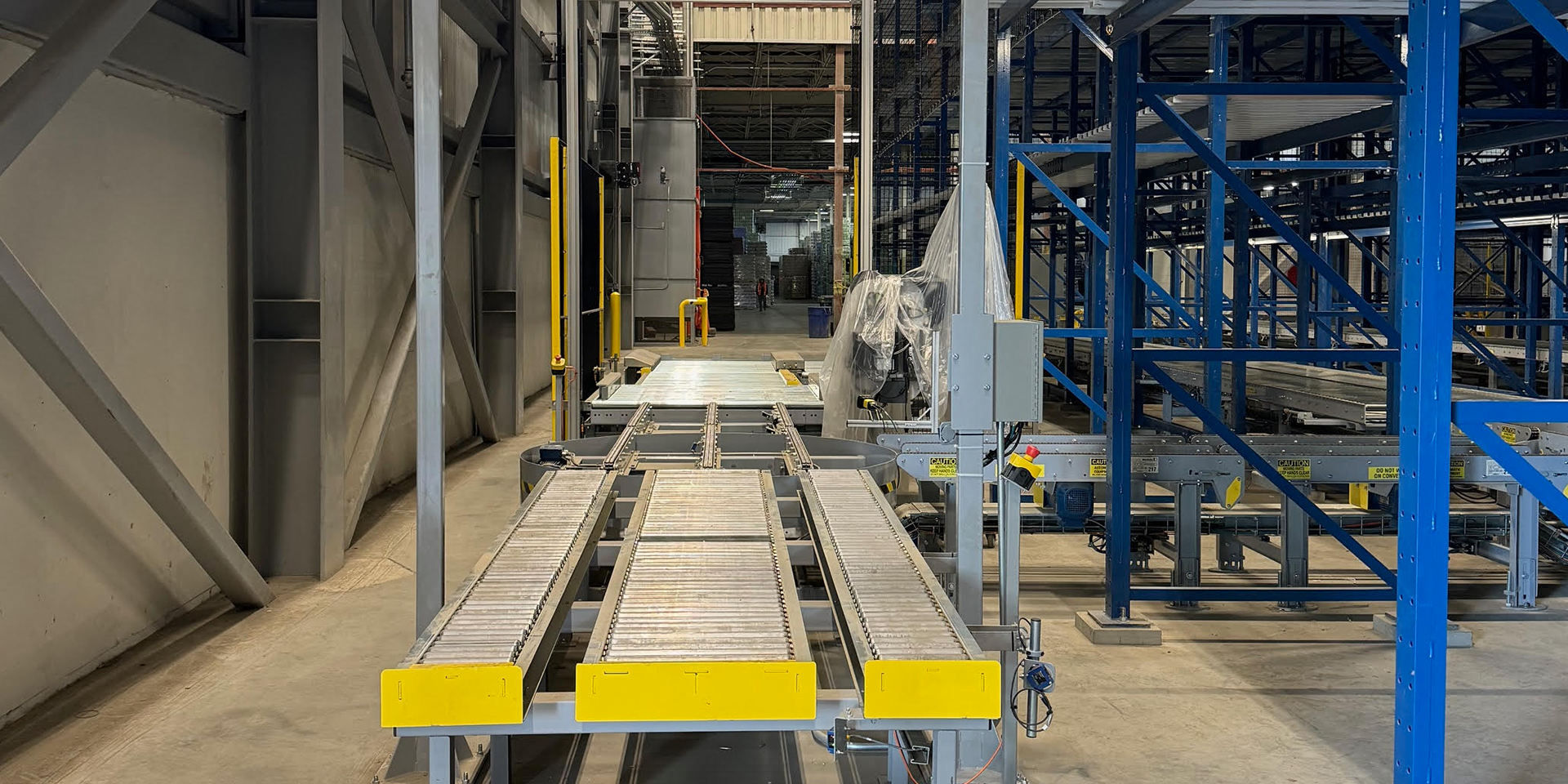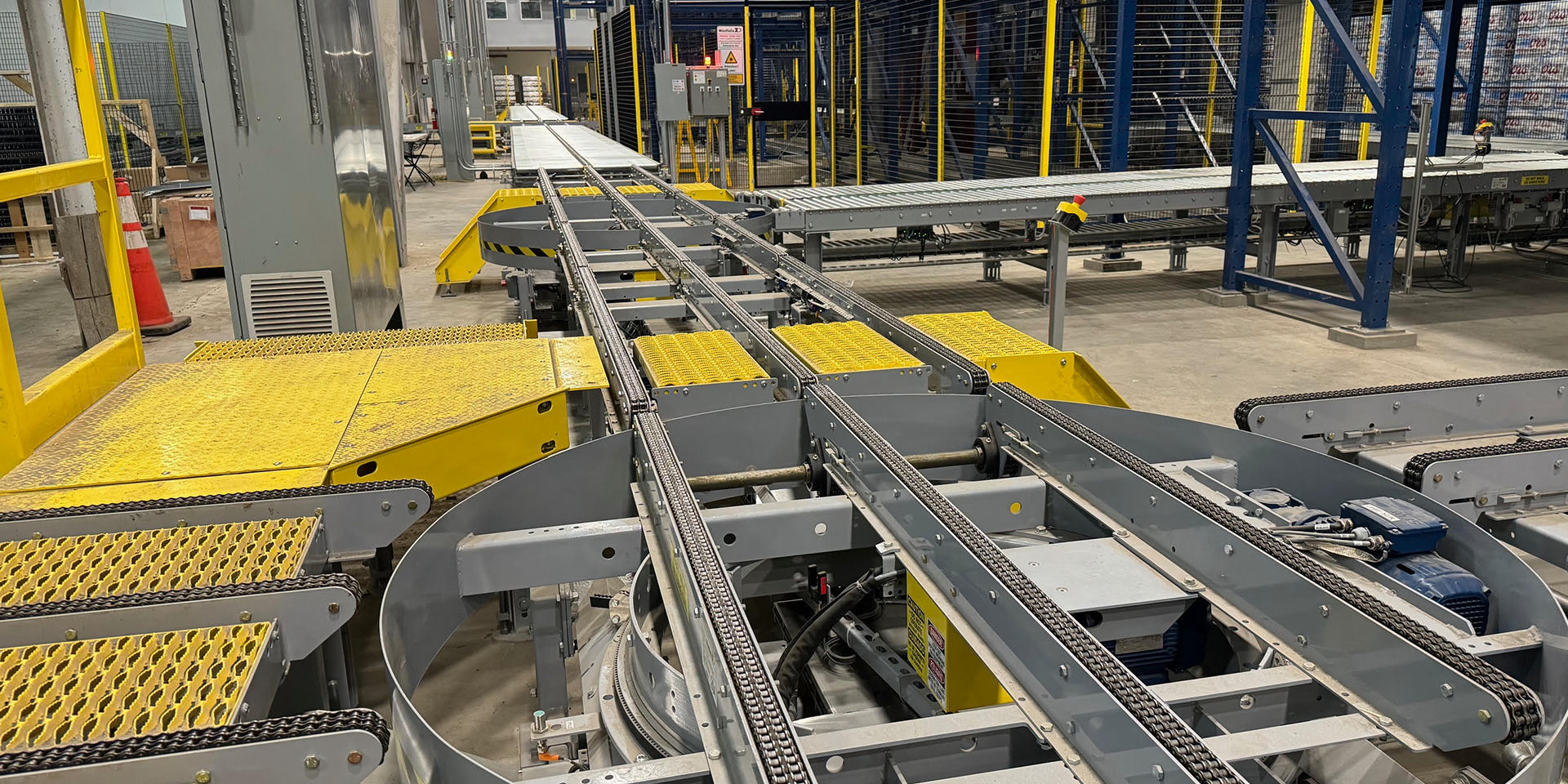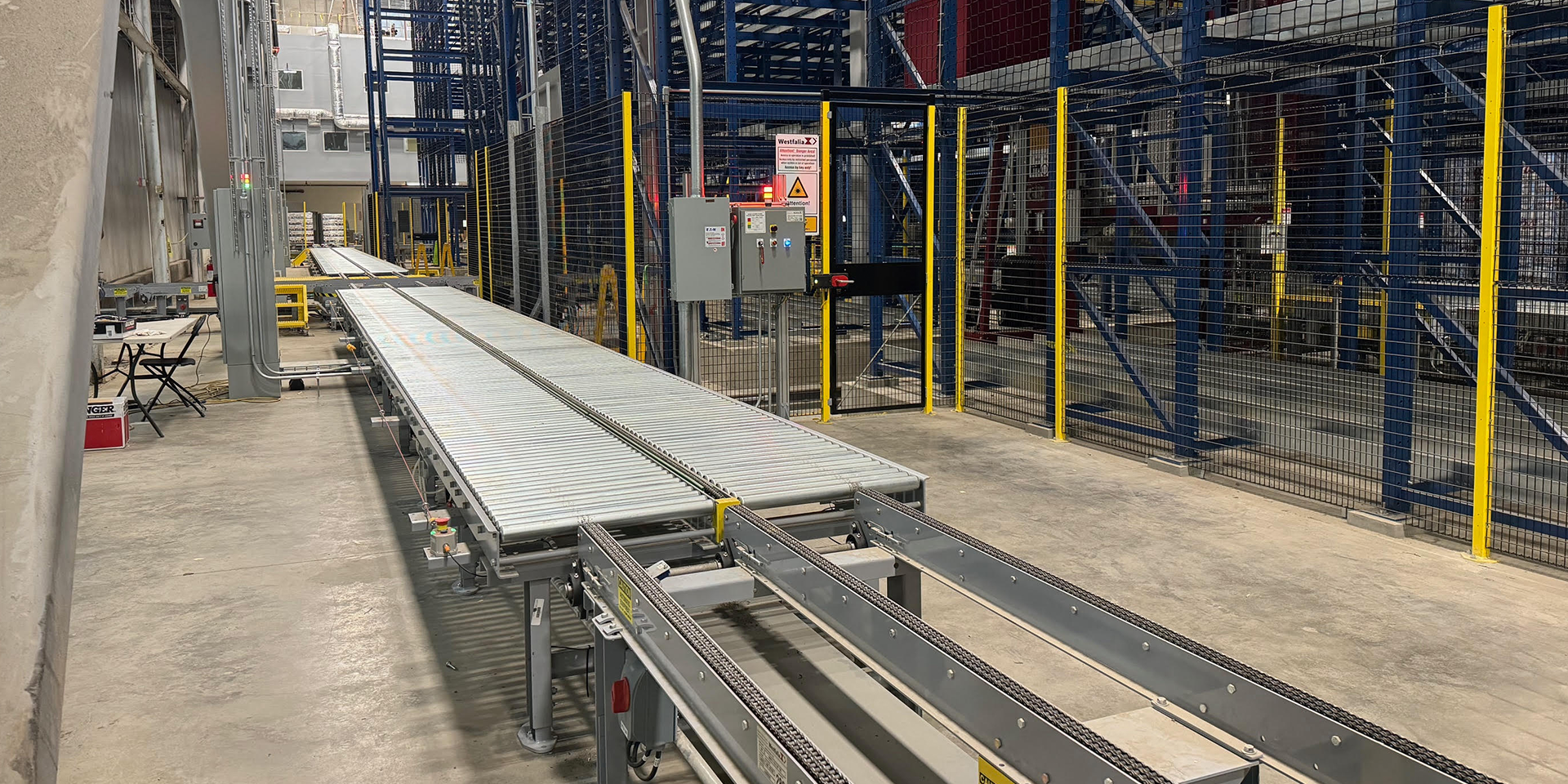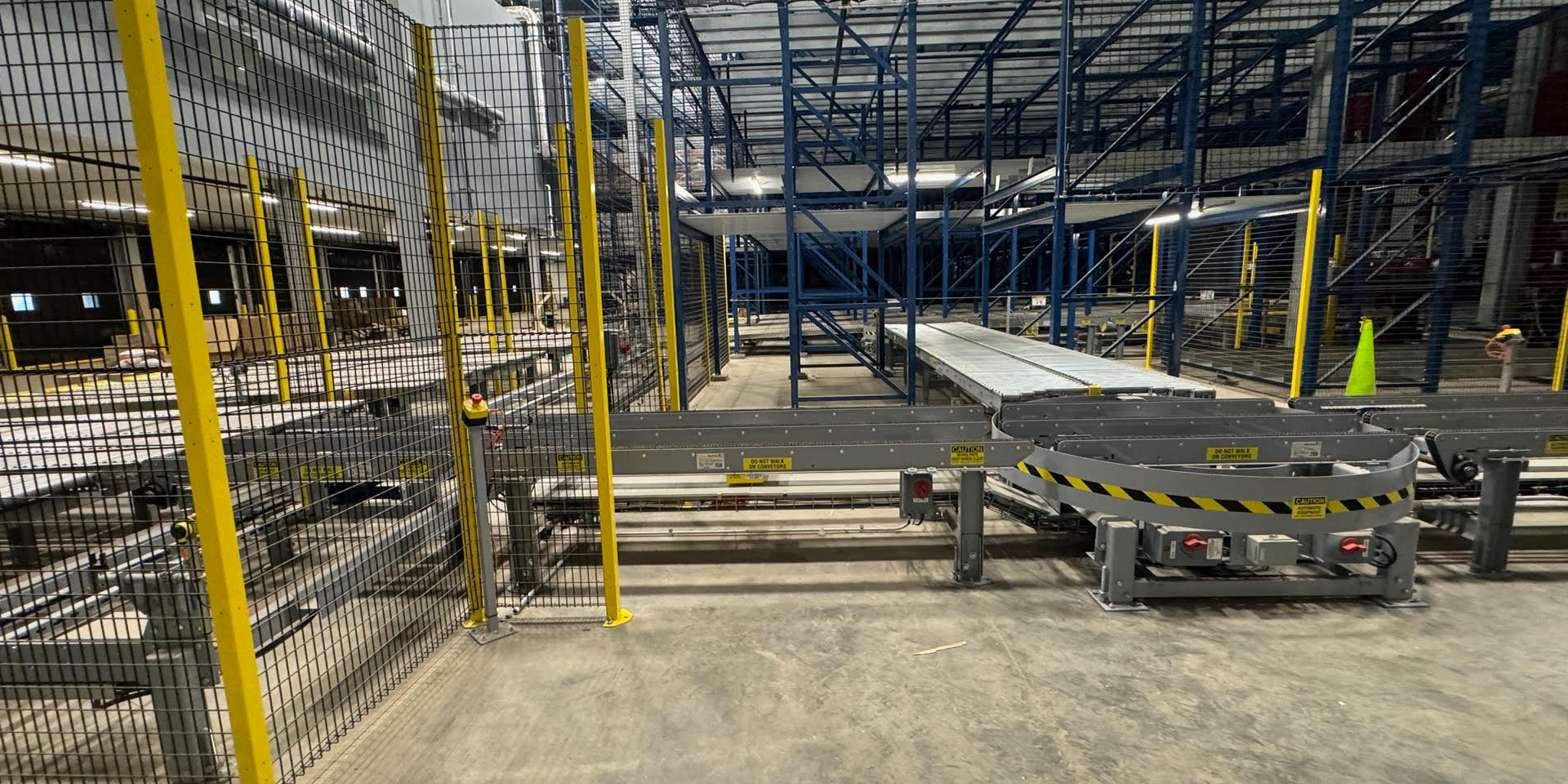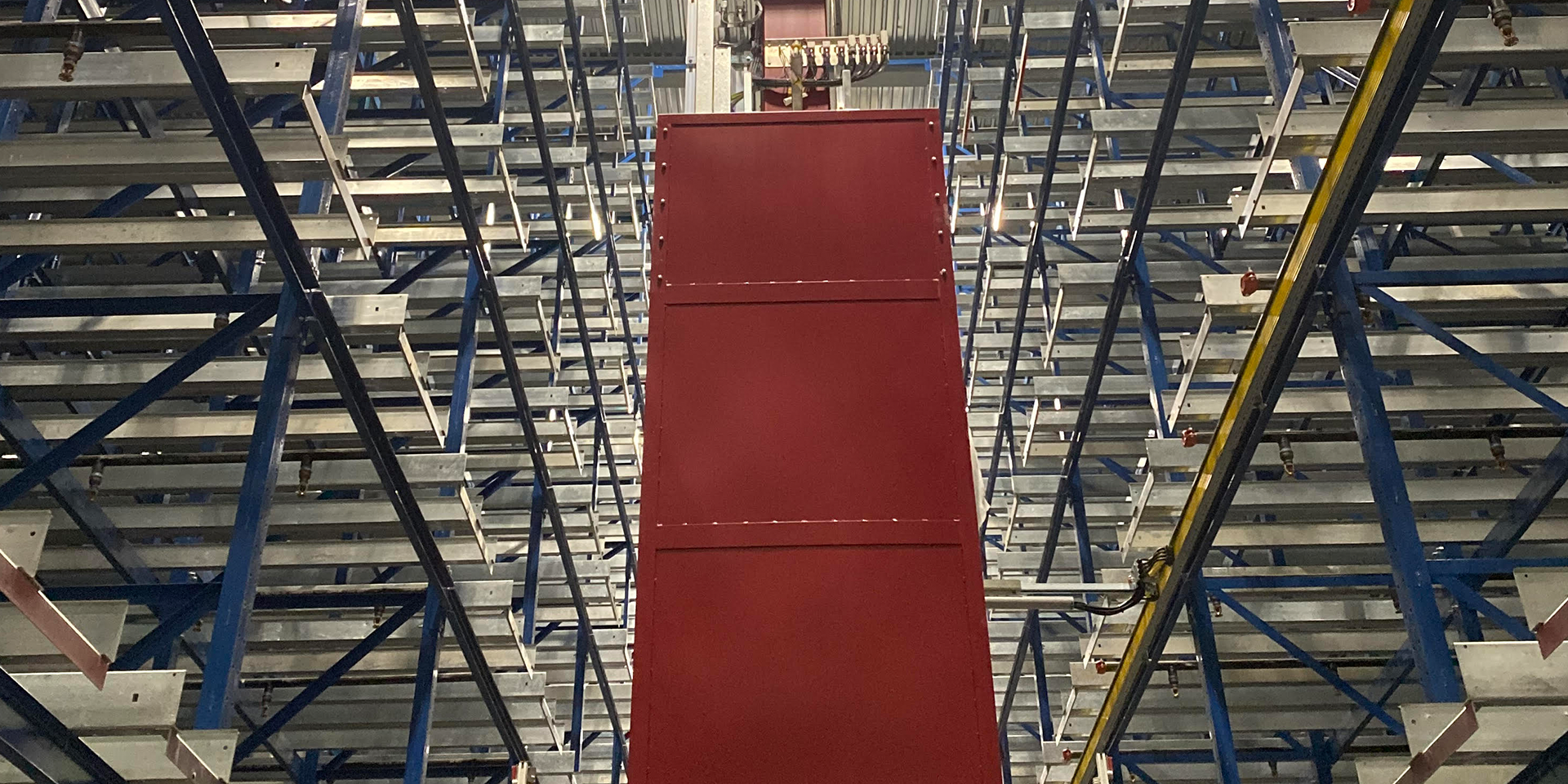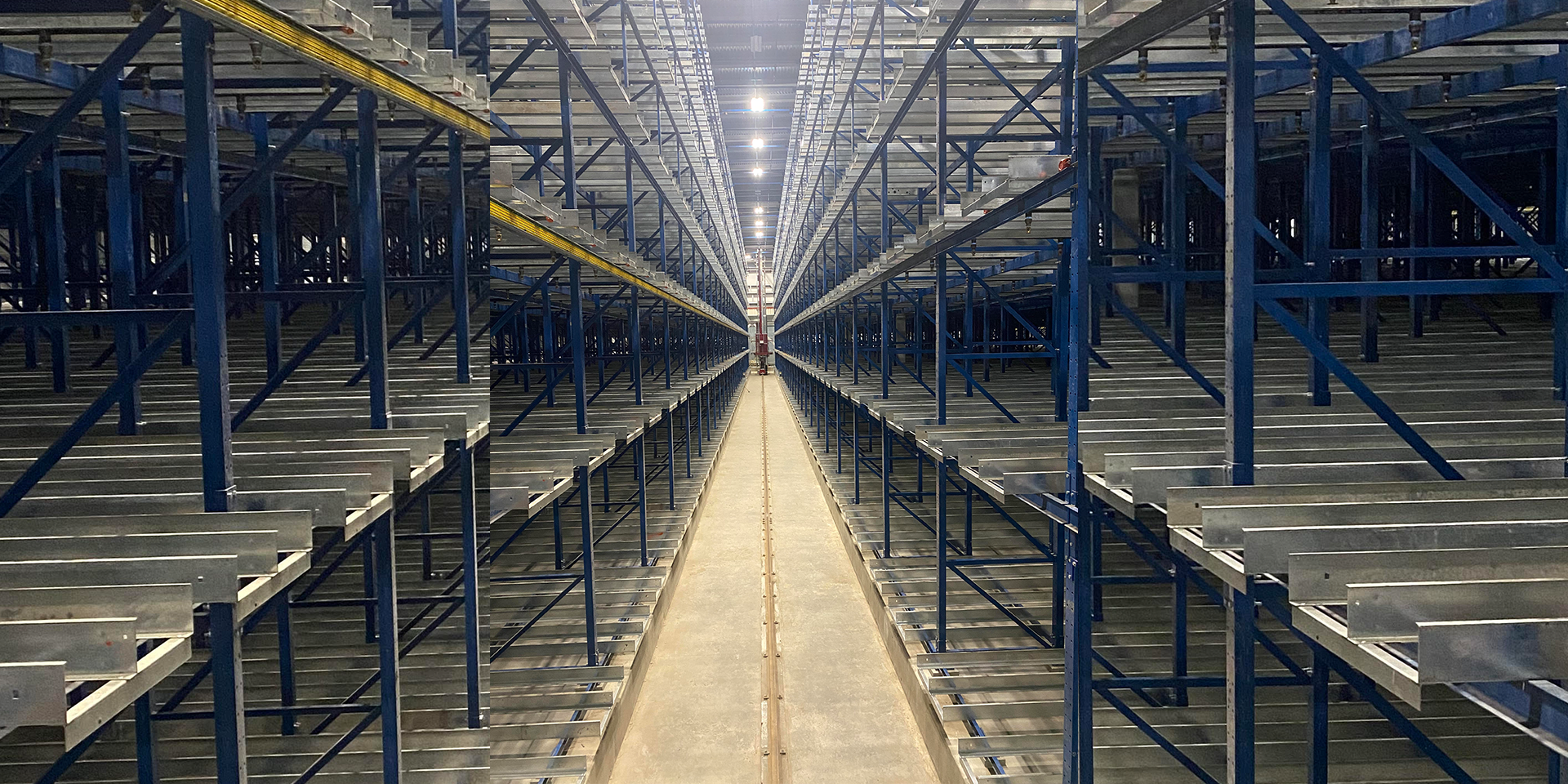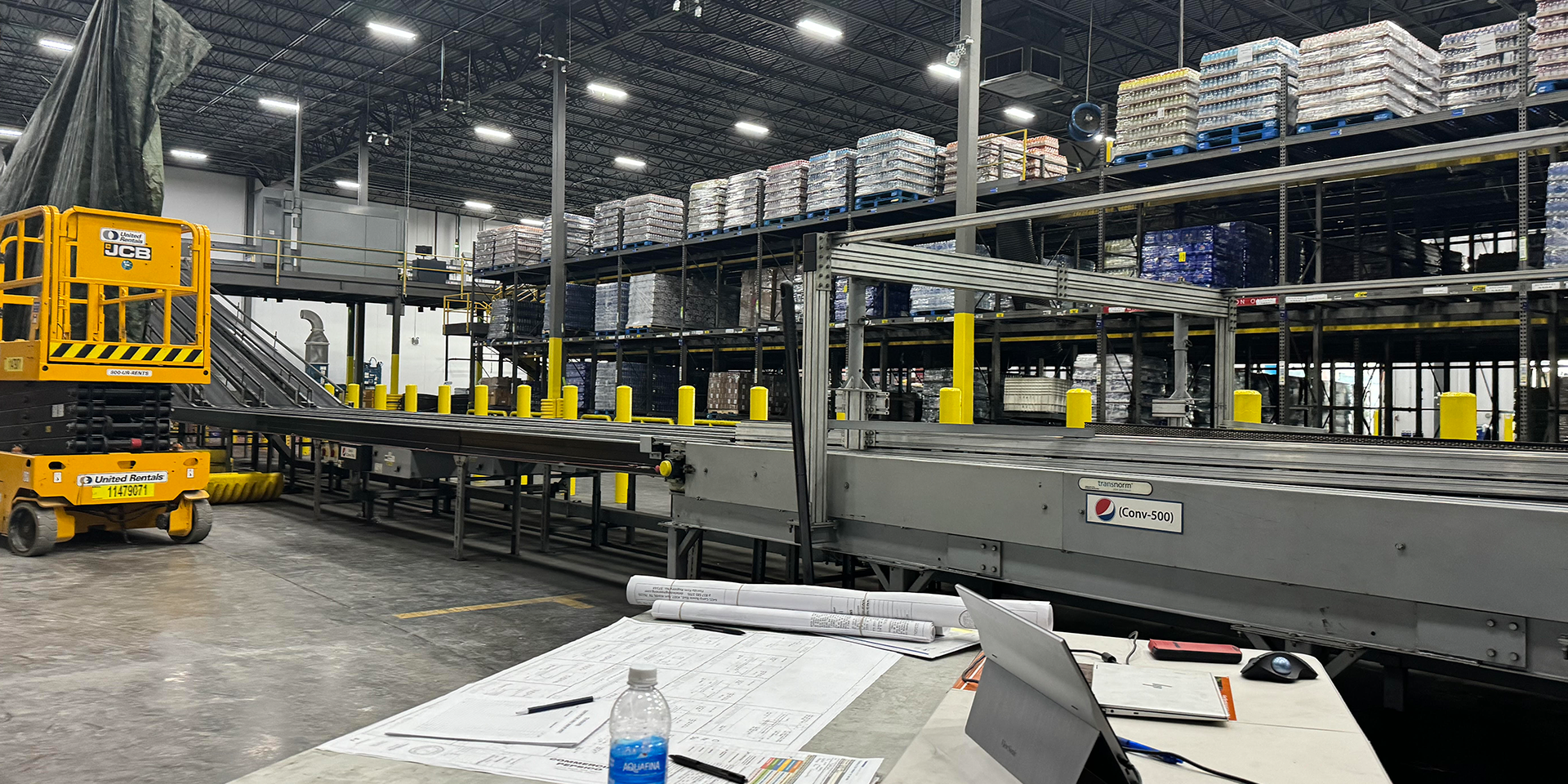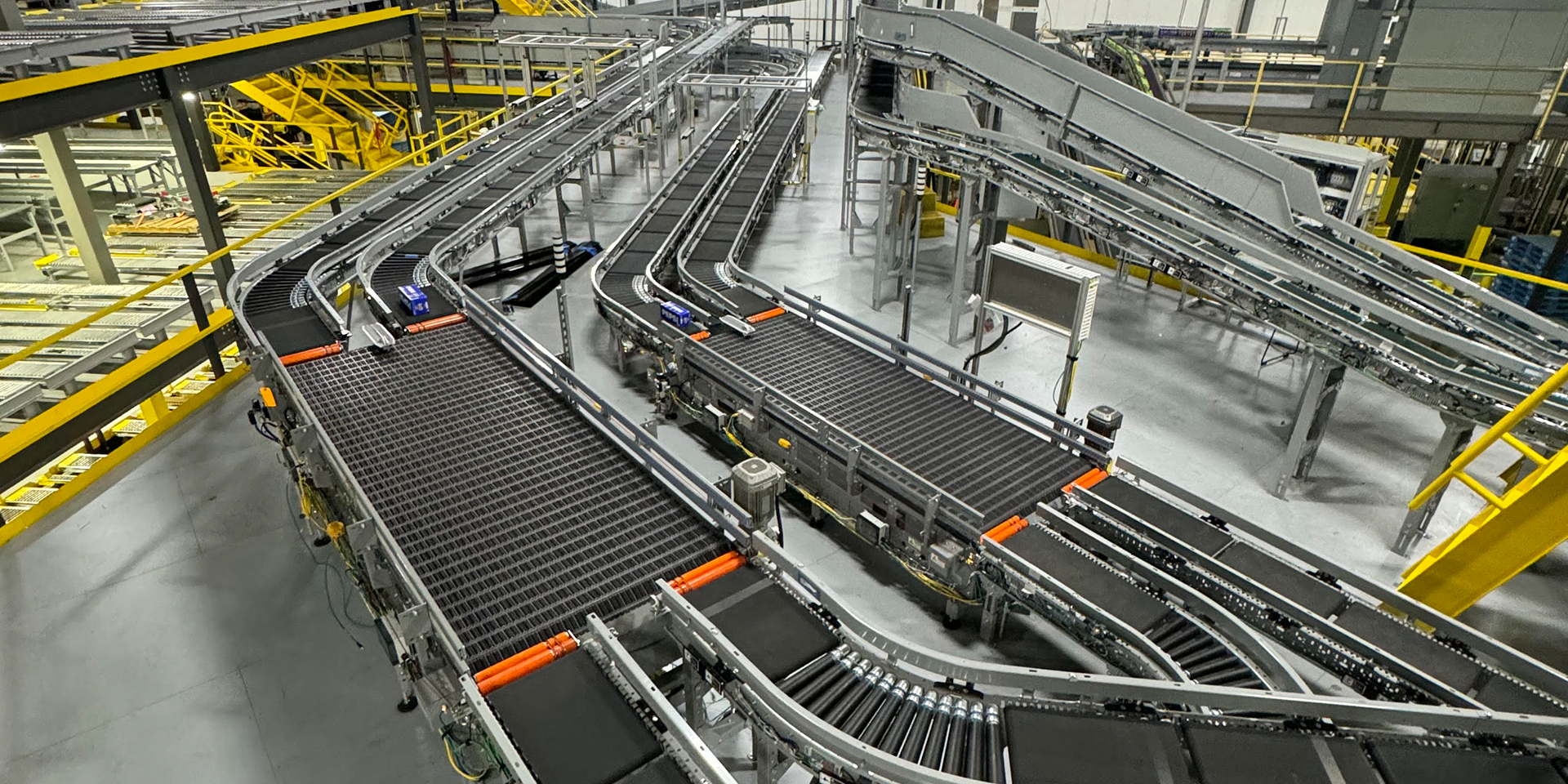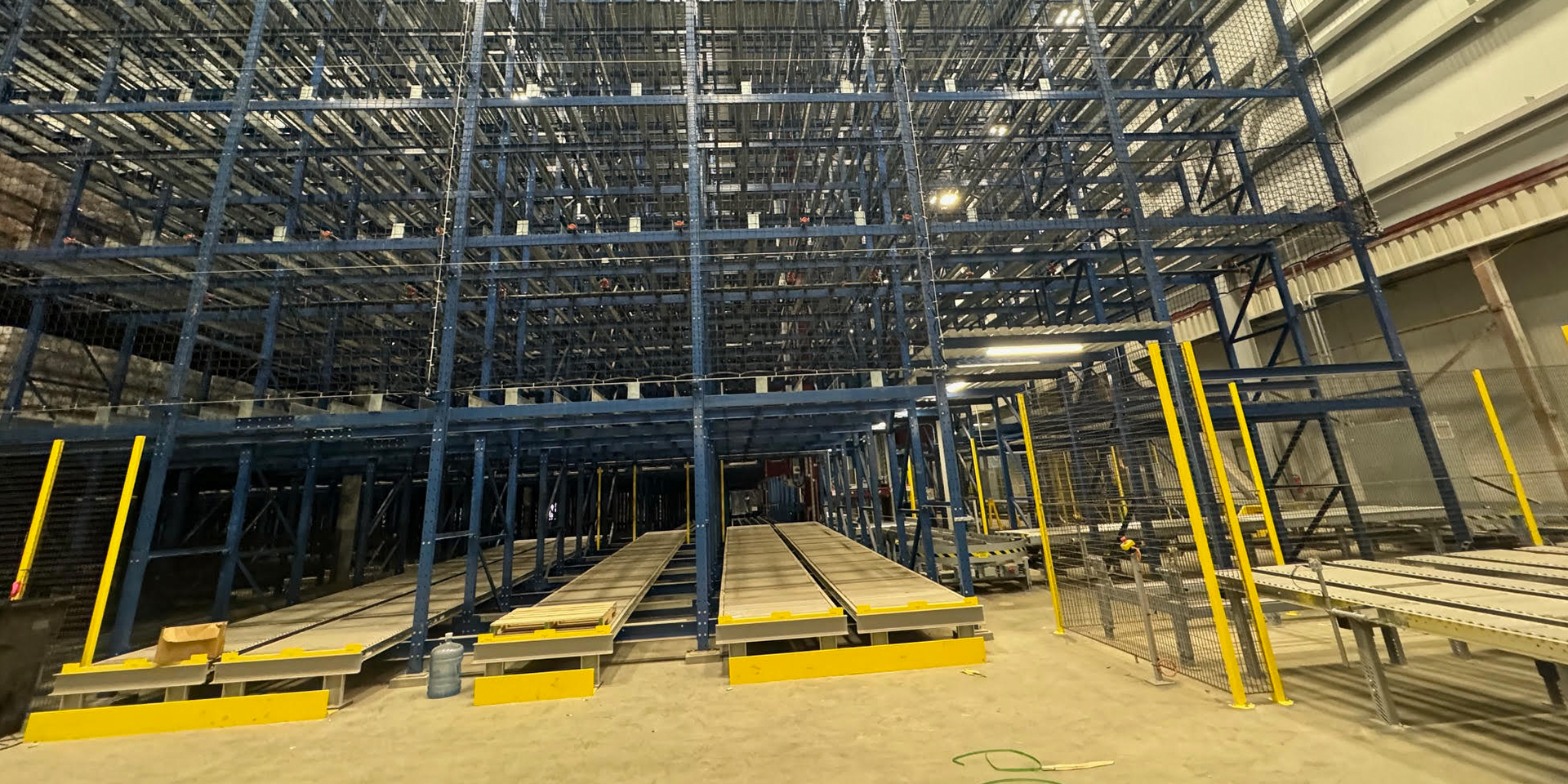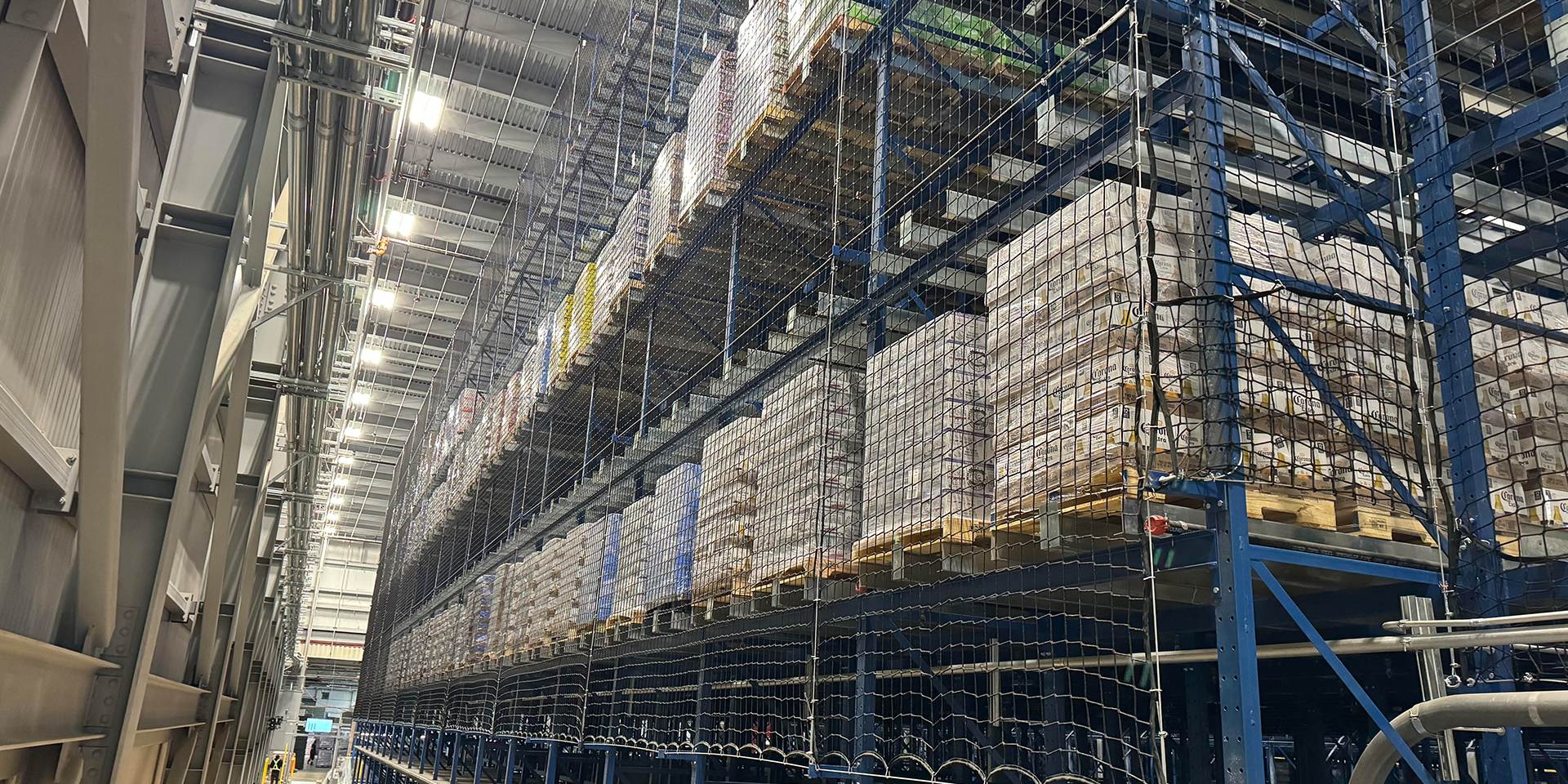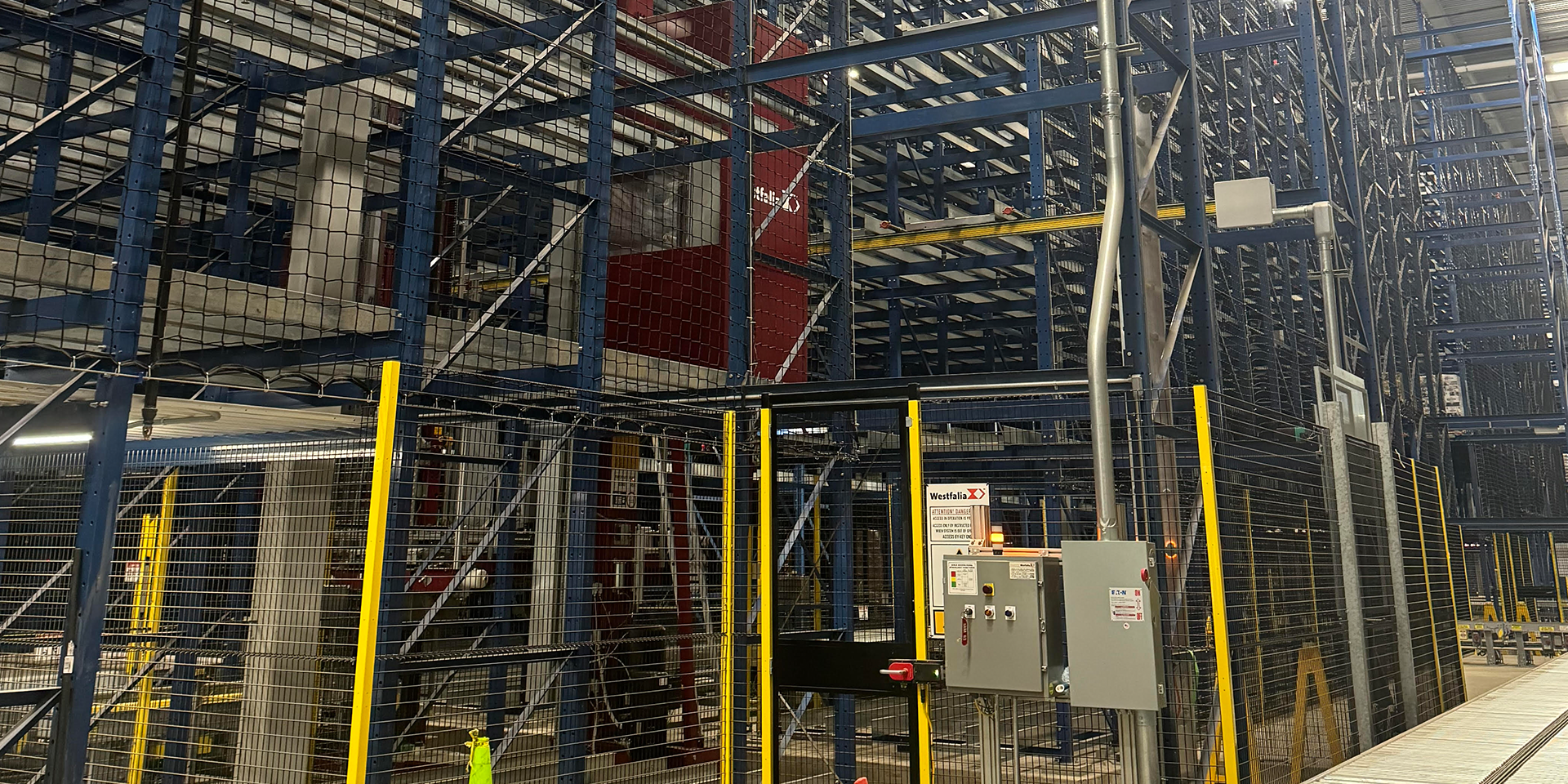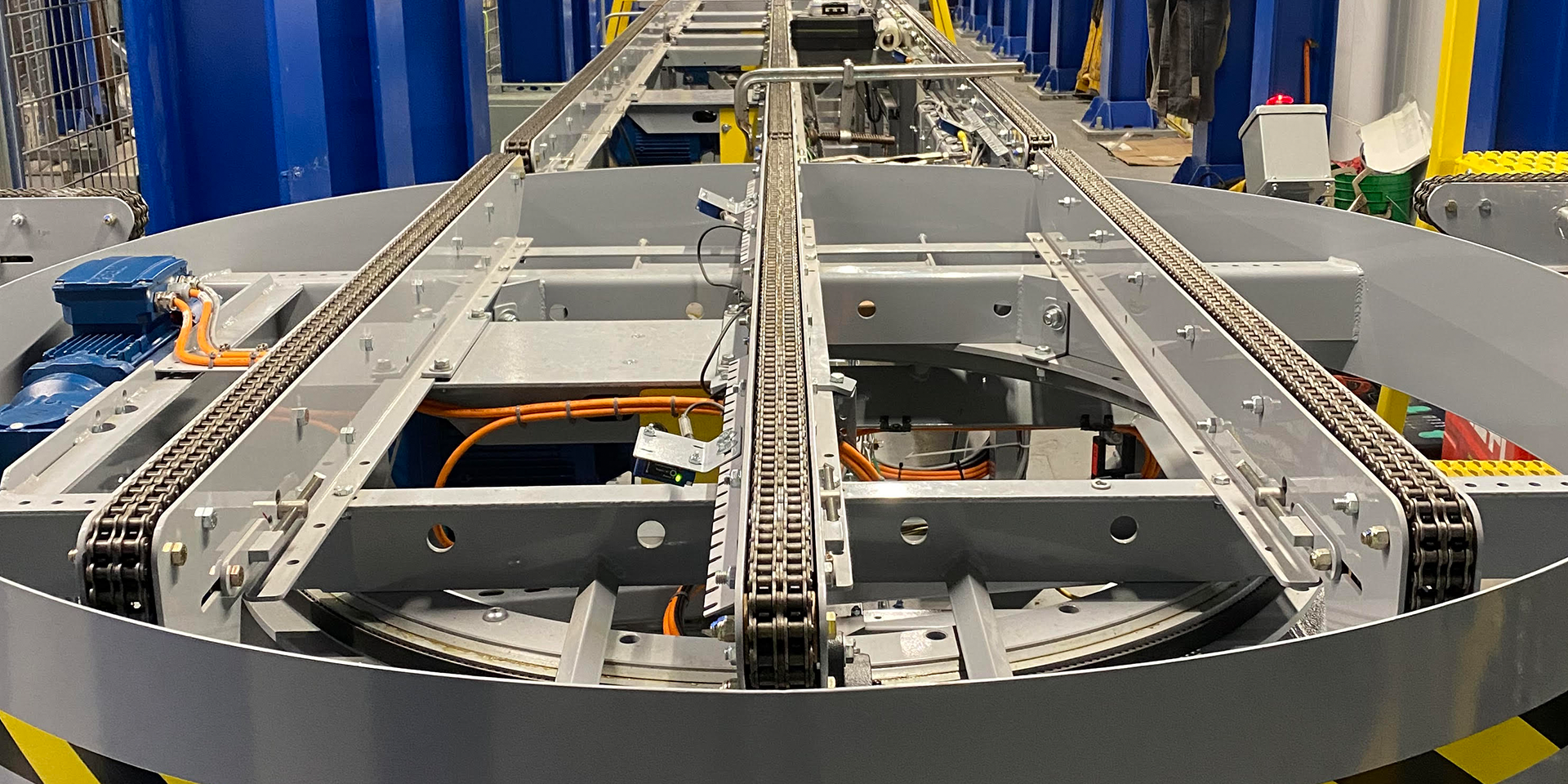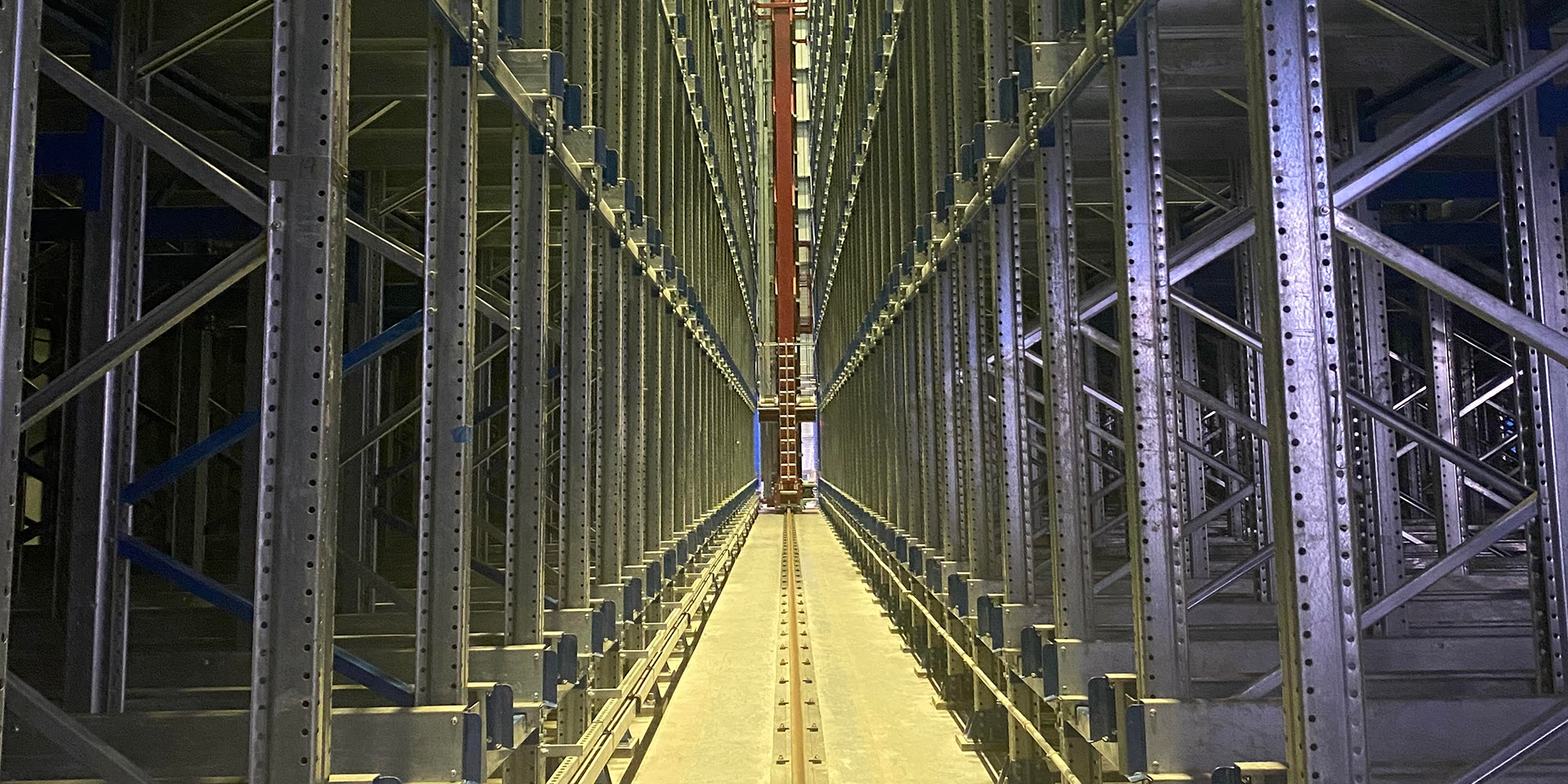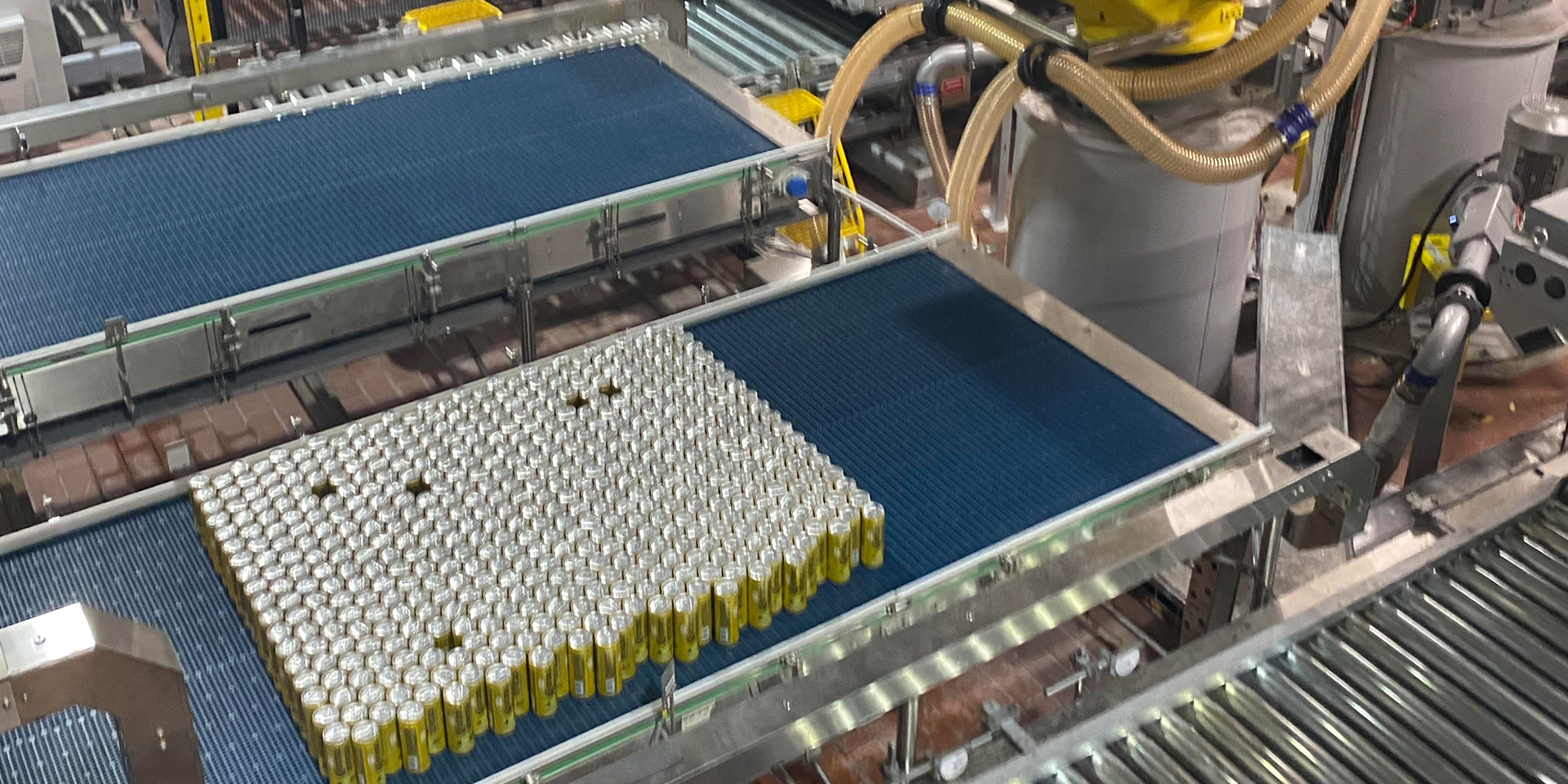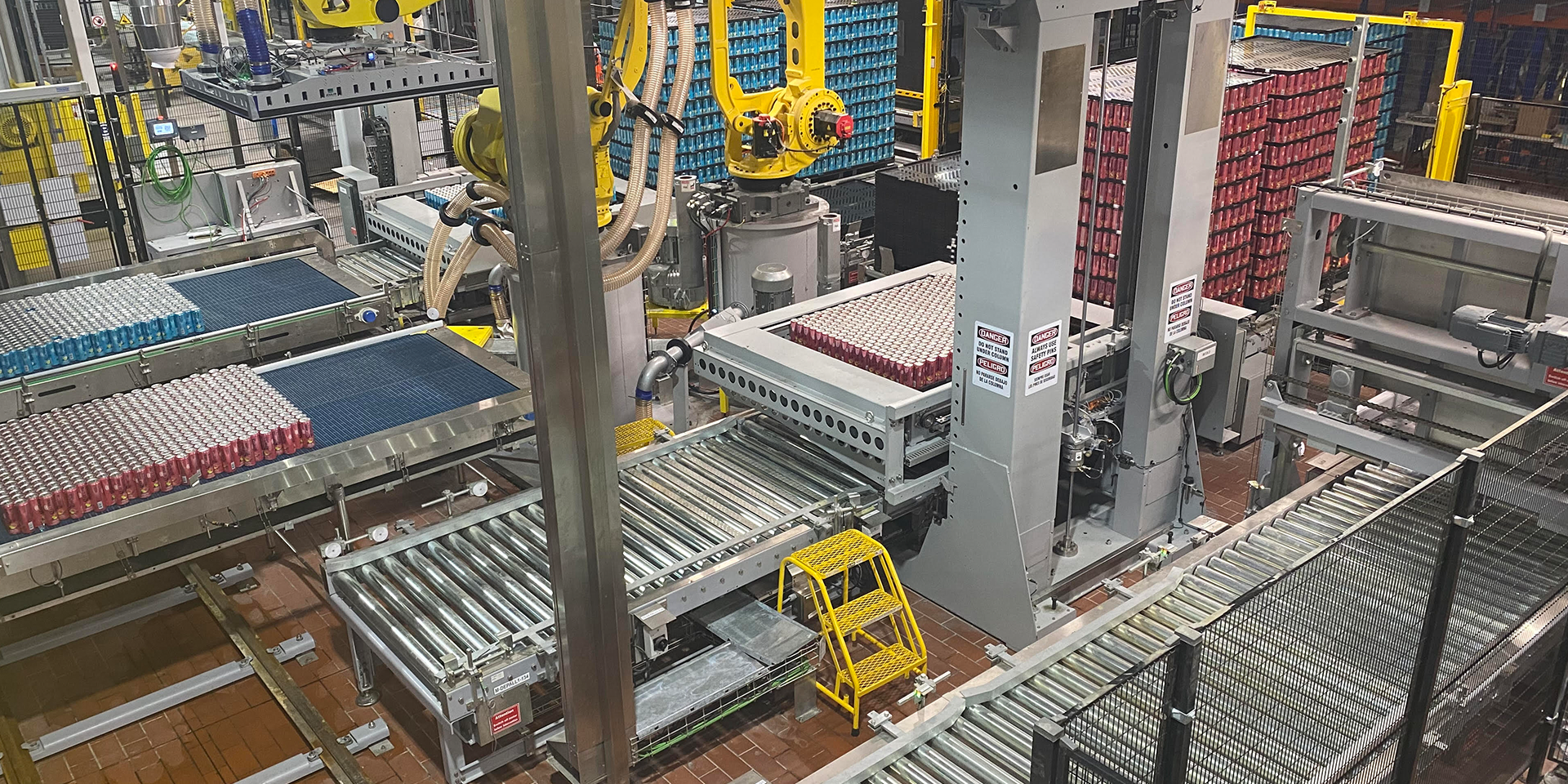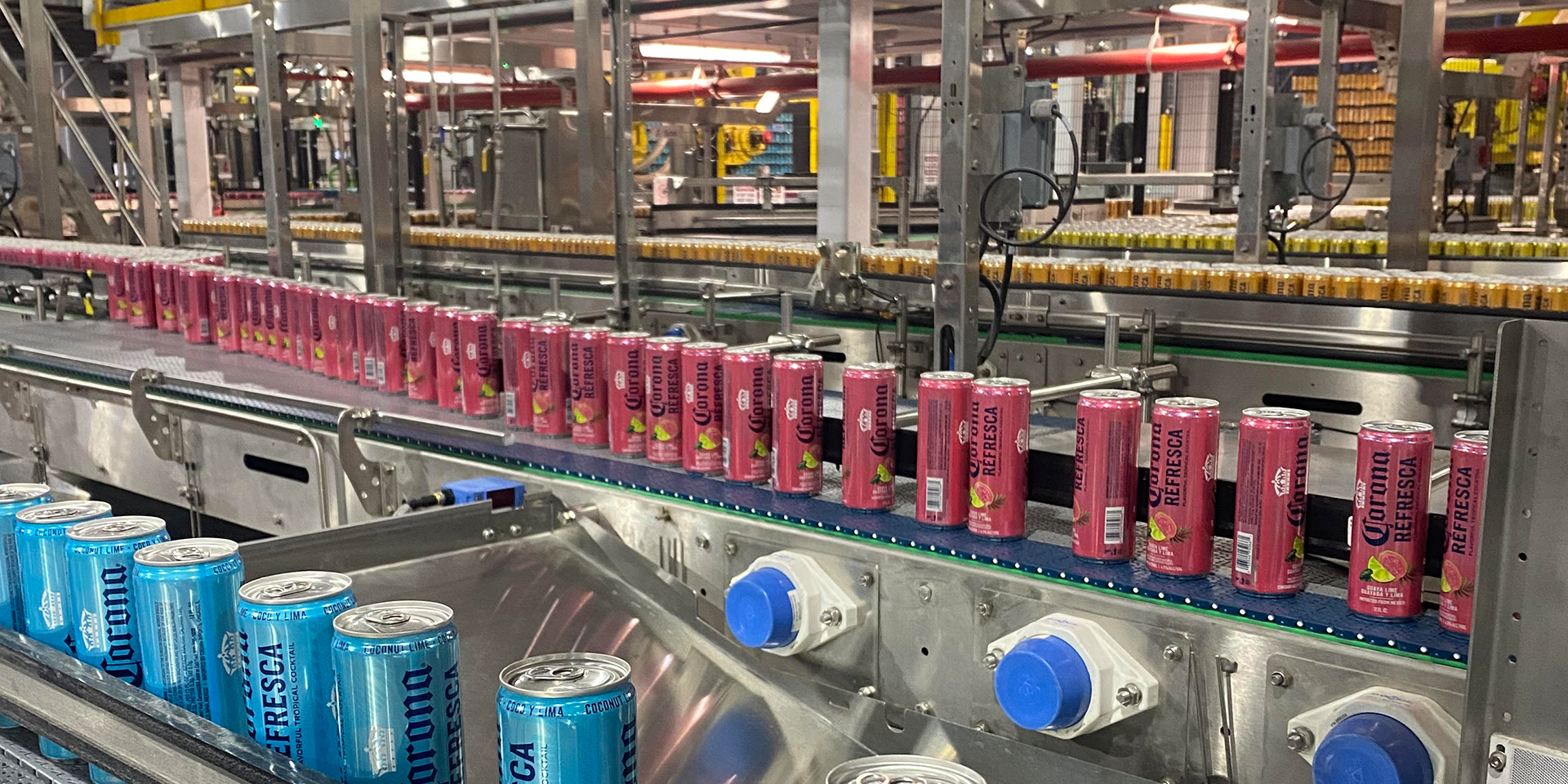


Retrofitting automated warehouses has become a key strategy to maintain the efficiency and competitiveness of logistics systems. As product demand and delivery speeds increase, warehouses are looking to modernize their operations without incurring the high costs and downtime involved in a complete equipment replacement. This modernization focuses primarily on three areas: control systems, industrial communications, and operations.
Retrofit
WAREHOUSE STUDIO
Efficiency and competitiveness of logistics systems
Delivery speeds are increasing, and warehouses are looking to modernize their operations
Control Systems:
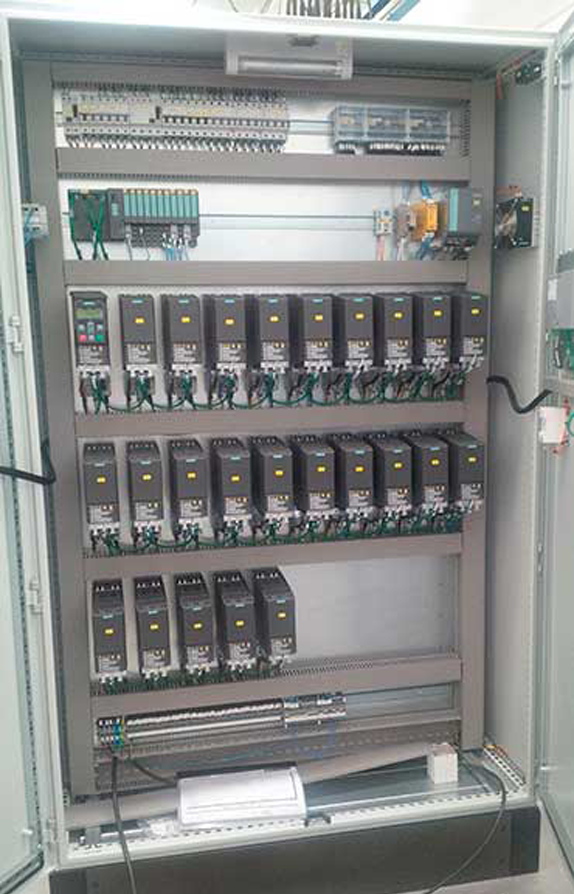
In automated warehouses, control systems play a fundamental role in coordinating the movements of equipment such as conveyors, stacker cranes, picking robots, and sortation systems. Many facilities built years ago still rely on PLCs (Programmable Logic Controllers) and control software that may be obsolete and limited in terms of capacity and connectivity.
Retrofitting control systems may involve upgrading PLCs to newer models, which offer higher processing speeds, improved communication capabilities, and greater flexibility for integration with other systems. In addition, implementing distributed control systems (DCS) can improve the modularity and scalability of warehouse operations. This means better real-time monitoring and control of different warehouse areas, increasing internal logistics efficiency.
Another important advantage is the integration of advanced control systems, which enable greater automation and autonomy in decision-making—such as route optimization for autonomous robots or intelligent assignment of picking orders—reducing operating time and maximizing the use of storage space.
Industrial Communications:
Industrial communications are the backbone for ensuring that the different components of an automated warehouse operate in a synchronized and efficient way. However, many traditional warehouses have slow, failure-prone communication networks that do not allow large volumes of data to be transmitted efficiently.
Retrofitting in this area may include migrating to modern communication protocols such as Industrial Ethernet, PROFINET, or EtherCAT, which offer higher speed, reliability, and the ability to integrate with Industry 4.0 technologies. In addition, the use of industry-specific wireless networks such as Wi-Fi 6 or 5G provides greater flexibility in communication between mobile equipment, robots, and management systems without relying on physical cabling.
Adopting a unified communication architecture allows all equipment and control systems to exchange data in real time, which is essential to achieve an efficient, unified warehouse operation. For example, rapid information exchange between sensors, control systems, and warehouse management software (WMS, Warehouse Management System) enables better resource planning, inventory tracking, and an immediate response to demand changes.
Operations:
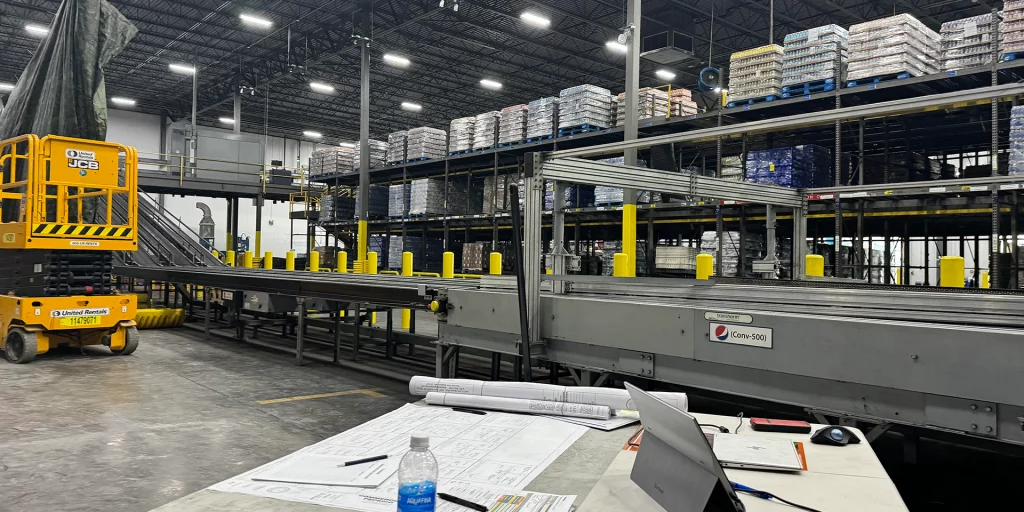
The operation of an automated warehouse is based on coordinating multiple processes and pieces of equipment, from goods receiving to order preparation and shipment. Retrofitting in this area aims to improve operational efficiency through equipment modernization, workflow refinement, and the implementation of more advanced software.
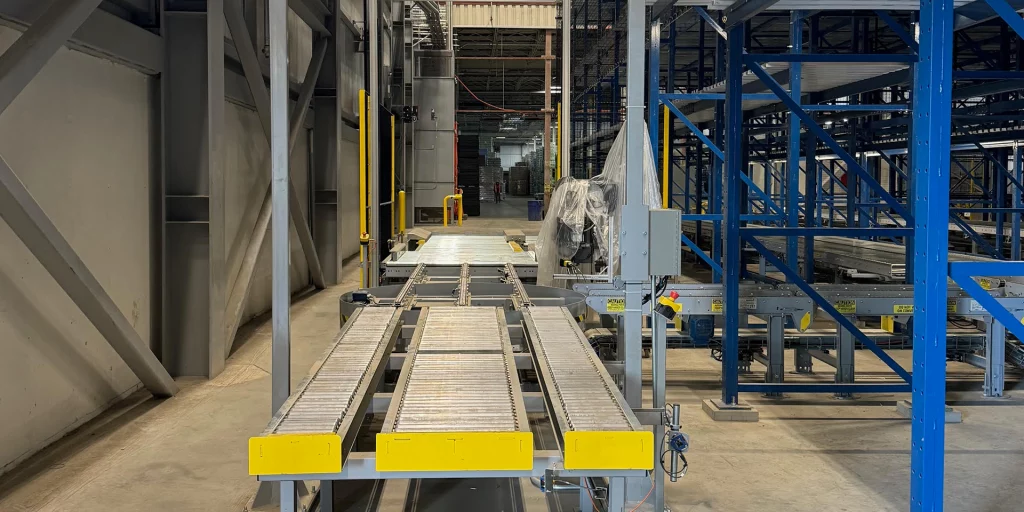
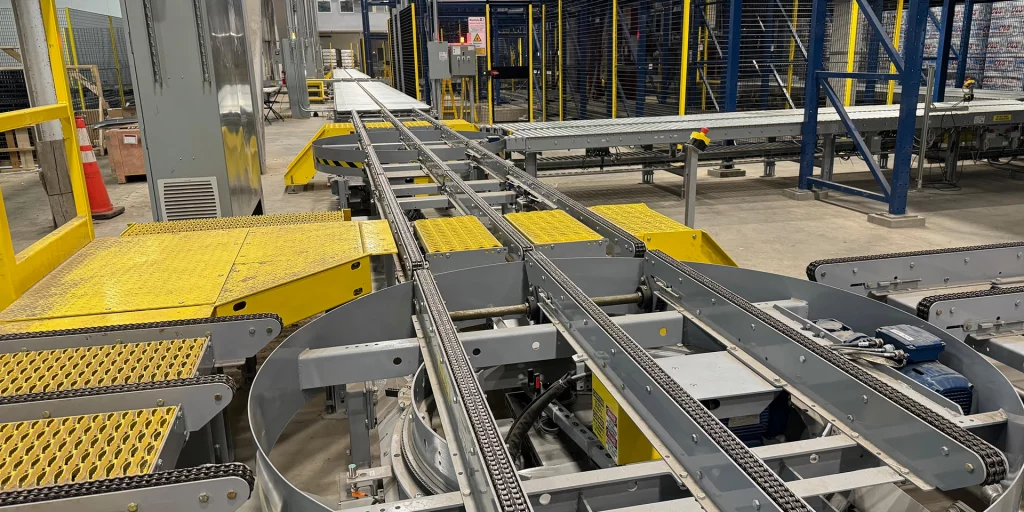
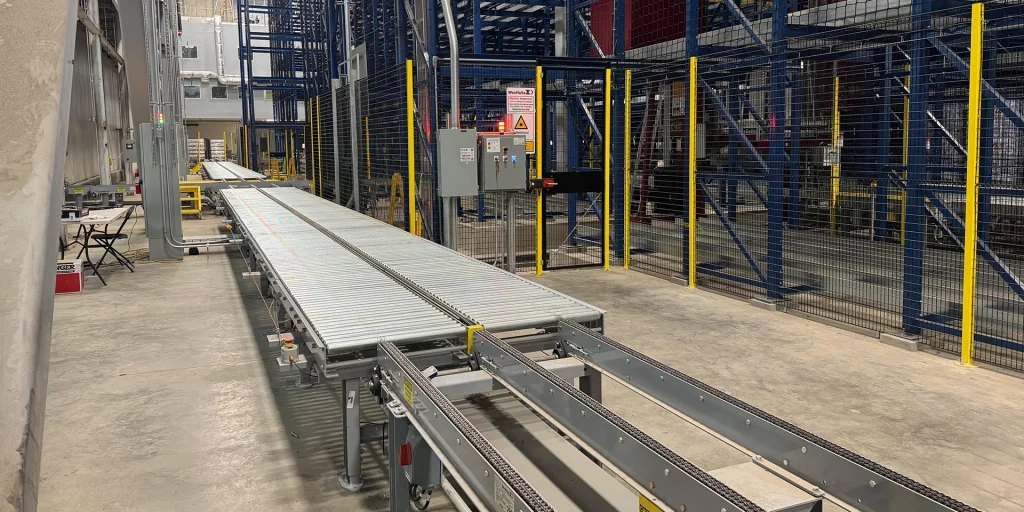
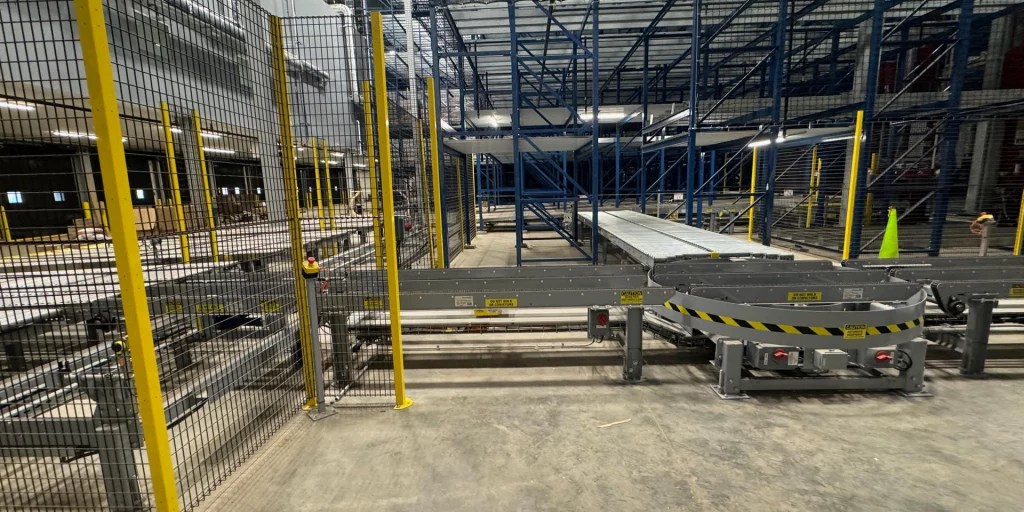
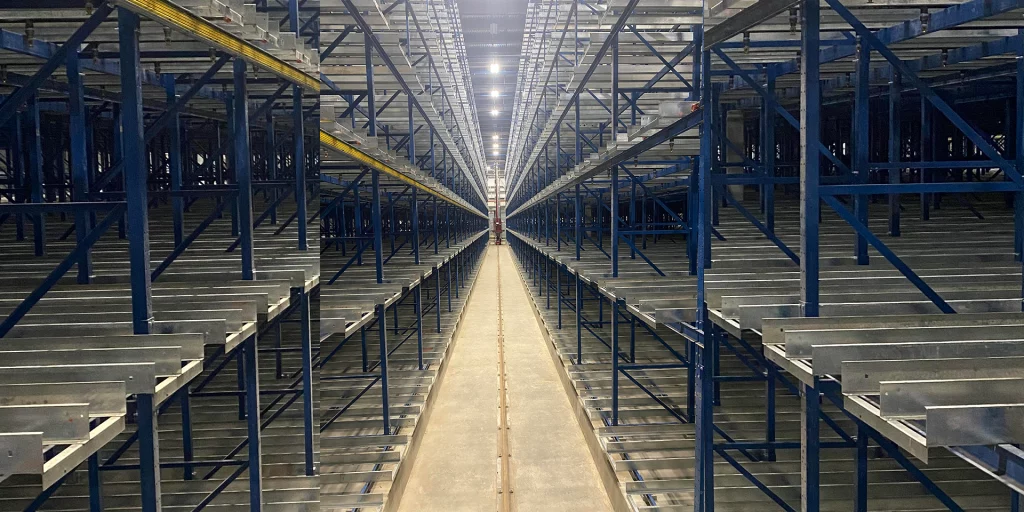
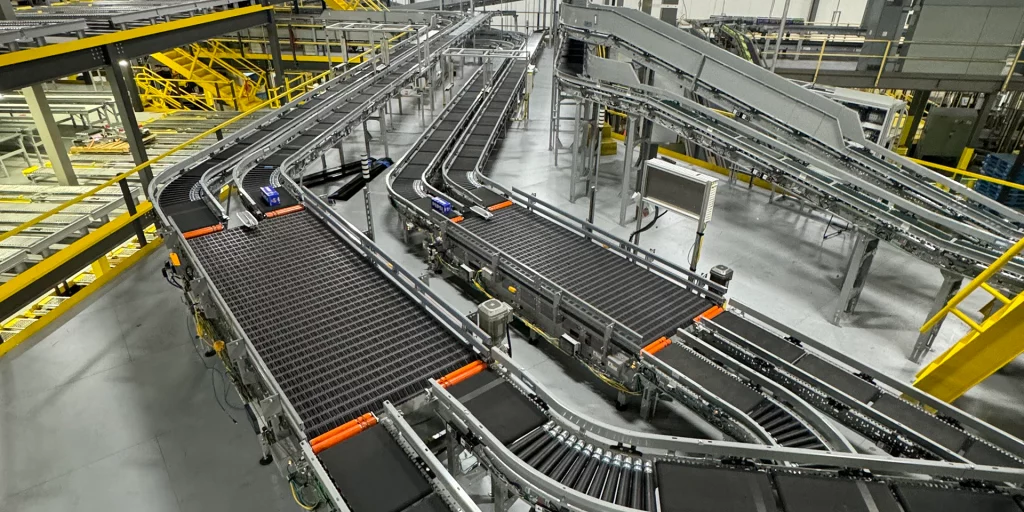
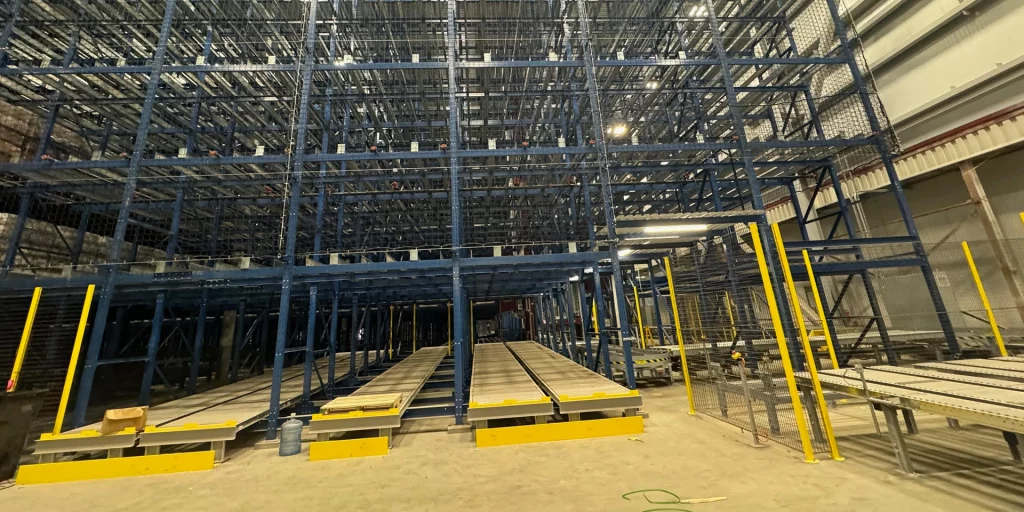
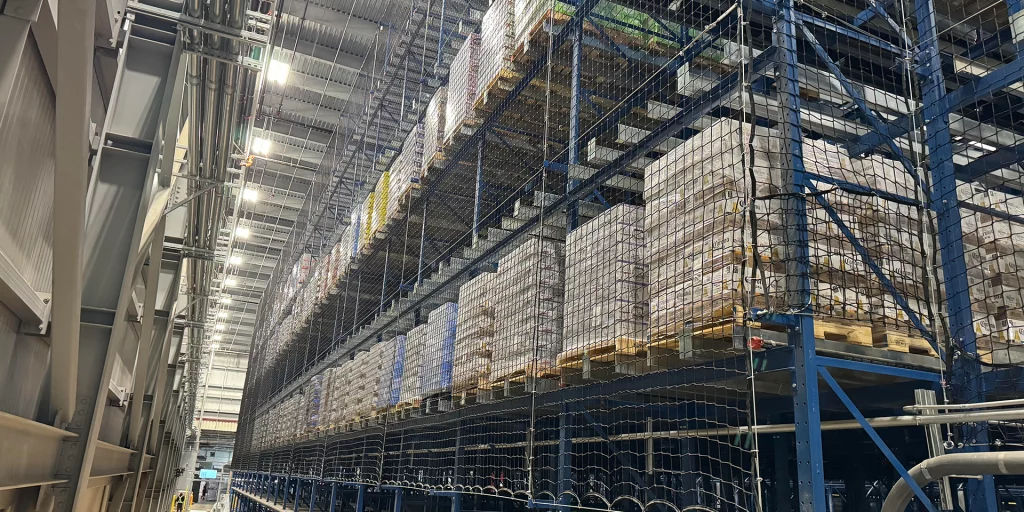
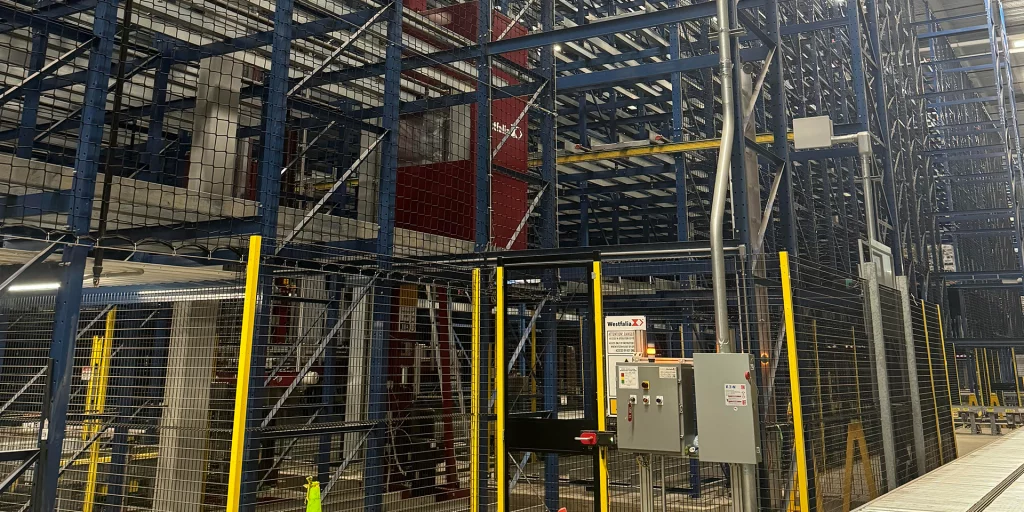
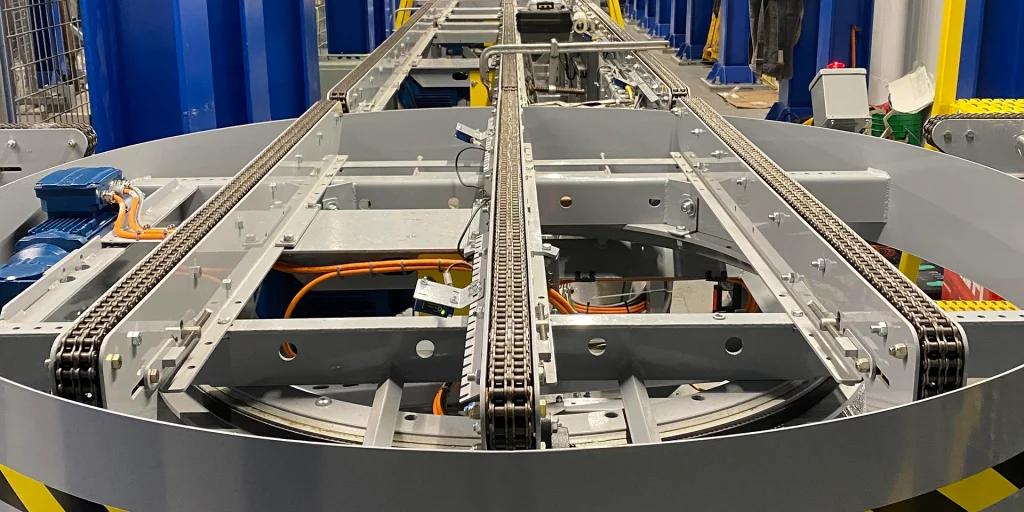
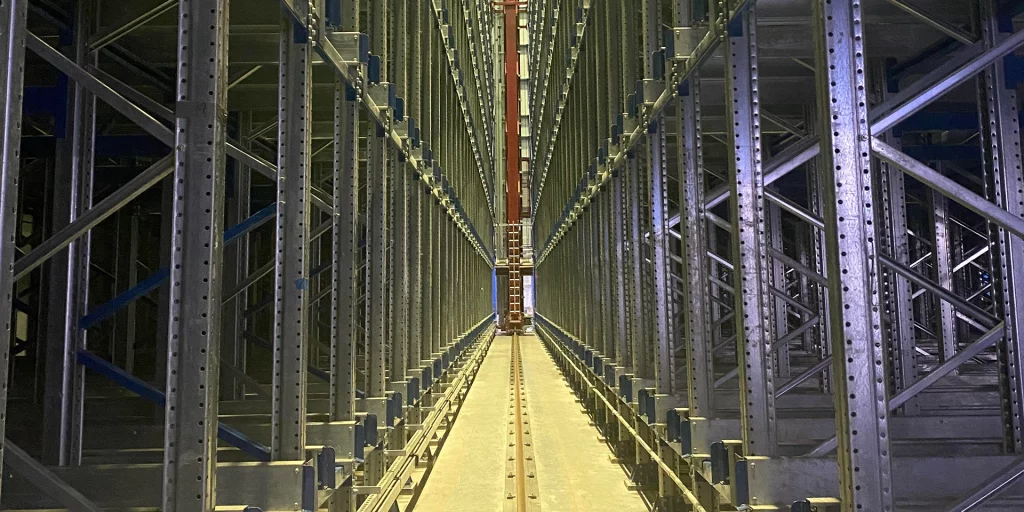
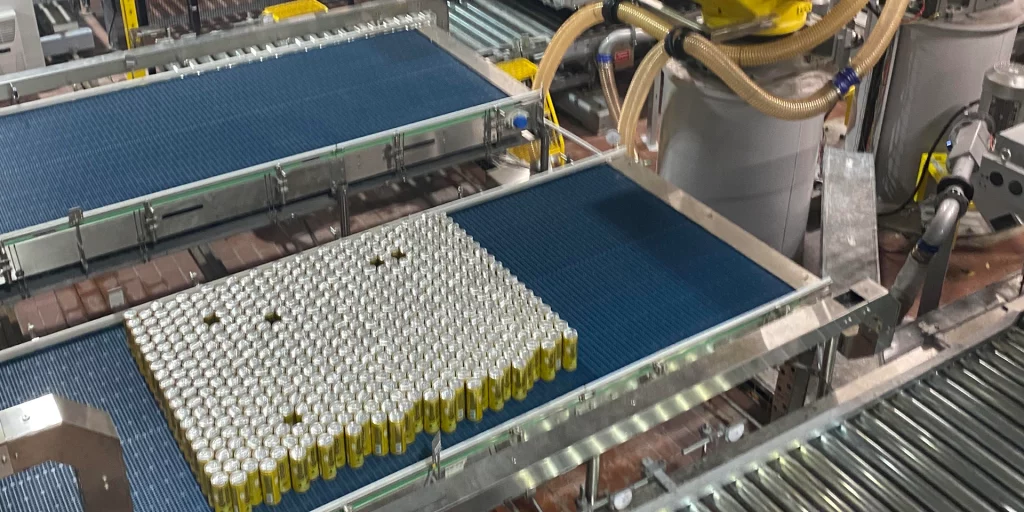
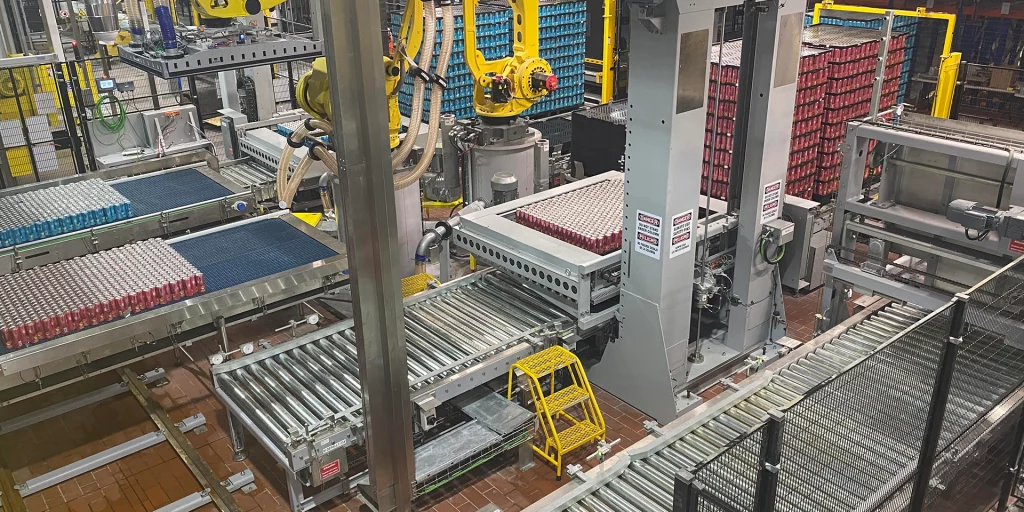
One of the most important operational aspects is material flow optimization. Retrofitting may include implementing faster conveying and sortation systems, upgrading storage and retrieval mechanisms (such as stacker cranes and shuttles), and adopting robotic handling systems for picking and packing tasks. These changes enable the warehouse to process a higher volume of orders in less time and with fewer errors.
In addition, introducing advanced management software is another key element in operational modernization. Tools such as more sophisticated warehouse management systems (WMS) and warehouse execution systems (WES) enable smarter, more adaptable planning of day-to-day operations, automatically adjusting to demand changes, optimizing resource utilization, and ensuring delivery deadlines are met.
Finally, retrofitting automated warehouse operations can improve process flexibility and scalability. This means the warehouse can quickly adapt to variations in the type and volume of stored products, as well as changes in market demand. This is particularly relevant in an environment where demand fluctuations and the need to deliver products quickly and accurately have become a priority.

Conclusion
Retrofitting automated warehouses enables the progressive modernization of control systems, industrial communications, and operations, resulting in a significant improvement in efficiency, connectivity, and warehouse responsiveness. These improvements not only reduce operating times and costs, but also extend equipment service life and prepare for future market demands. In this way, the combination of cutting-edge technology and optimized processes helps warehouses remain competitive in an increasingly digital and demanding world.


'/%3E%3Cpath%20fill='%23b2b2b2'%20d='M241%20382q0%2016%2017%2026%2017%2011%2042%2011t42-11q16-11%2017-26V269H241'/%3E%3Cpath%20fill='%239f7e00'%20d='M241%20379q0%2014%208%2023%209%209%2021%209%2014%200%2021-9%209-9%209-23V269h-59'/%3E%3Cpath%20d='M241%20339v-70h59v110q0%2014-9%2023l-6%205v-68h-15v72q-8%200-14-4v-68zm59%2040c0%2022%2015%2032%2029%2032%2021%200%2030-18%2030-32v-40h-59'/%3E%3Cpath%20fill='%239f7e00'%20d='M266%20277v5h2v12h-3v-5h2v-5h-9v5h2v5h-4v9h3v18h-5v10h34v-10h-5v-18h3v-9h-4v-5h2v-5h-9v5h2v5h-3v-12h2v-5zm42%20101q0%2010%206%2017%206%206%2015%207%2010-1%2016-7%206-7%206-17v-29h-43'/%3E%3Ccircle%20fill='%230044ad'%20cx='329.5'%20cy='372'%20r='6'/%3E%3Cellipse%20fill='%230044ad'%20cx='300'%20cy='340'%20rx='16'%20ry='21'/%3E%3C/svg%3E)