
Mathematical simulations play a crucial role in modern industry, providing advanced tools to predict, analyze, and optimize processes. From product design to the management of complex systems, these simulations enable companies to make informed decisions, reduce costs, and improve efficiency. This article explores the applications, benefits, and technologies associated with mathematical simulations in the industrial field.
Simulations
WAREHOUSE STUDIO
Mathematical Simulations Applied to Industry
Advanced tools to predict, analyze, and optimize processes
Mathematical simulations are a powerful tool that drives innovation, efficiency, and competitiveness in industry. As technologies advance, these simulations will continue to play a crucial role in process optimization and product development, helping companies face the challenges of the global market.
Concept of Mathematical Simulation:
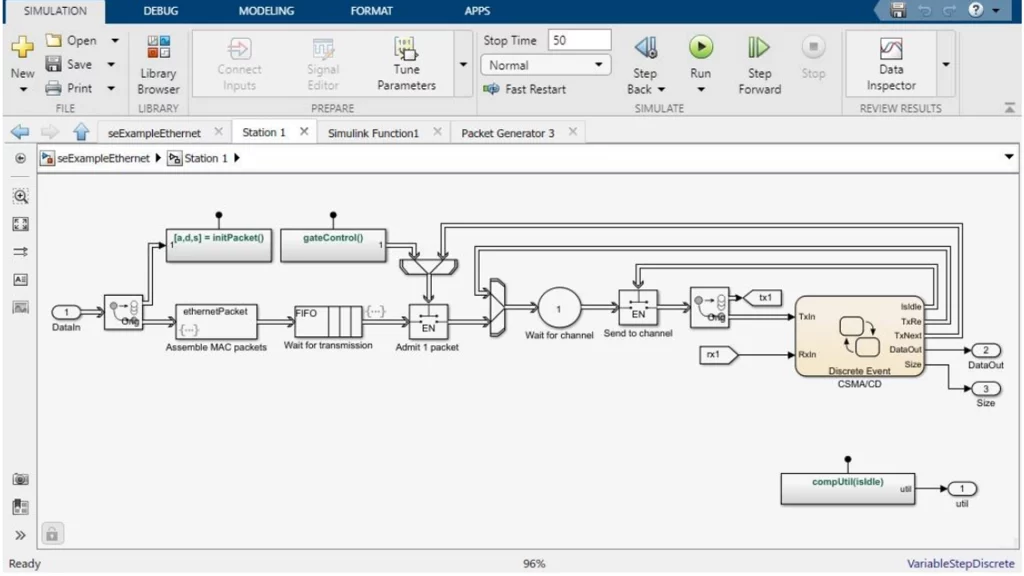
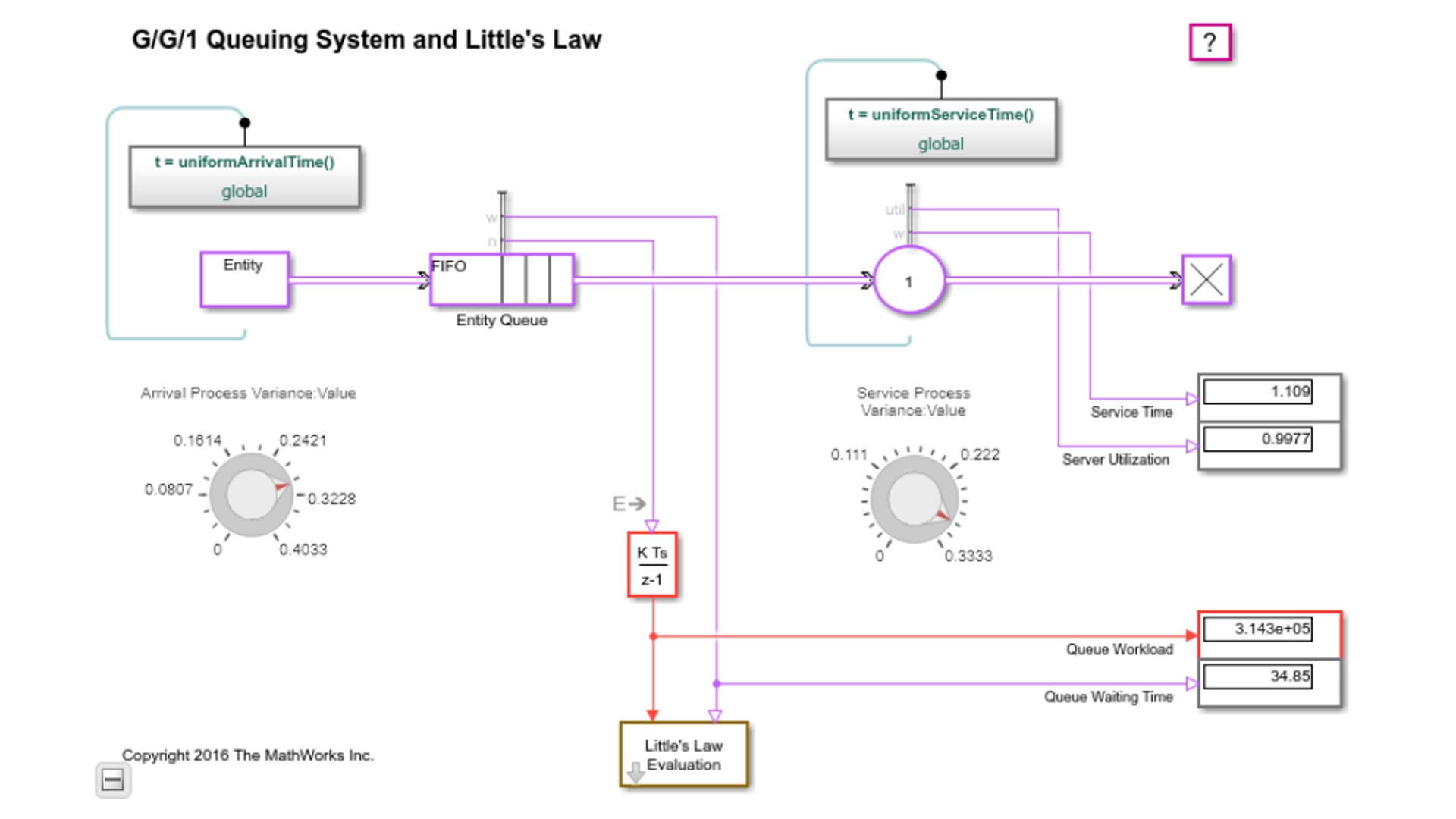
A mathematical simulation is a computational model that uses mathematical equations to represent the behavior of real-world systems. These simulations can range from simple differential-equation models to complex simulations that incorporate large volumes of data and advanced algorithms. Mathematical simulations are often implemented in software platforms such as MATLAB, Simulink, Ansys, and COMSOL Multiphysics.
Applications in Industry
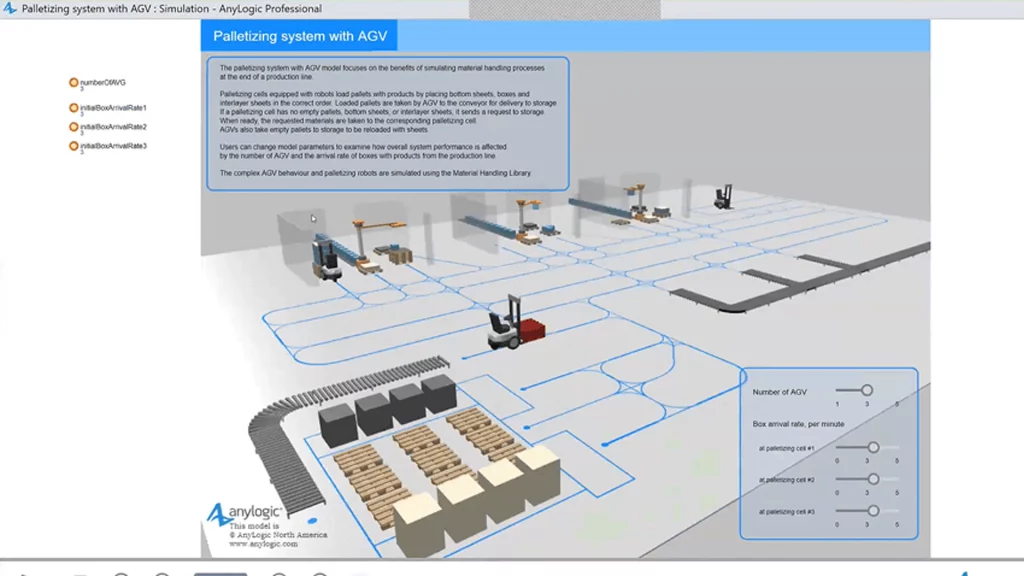
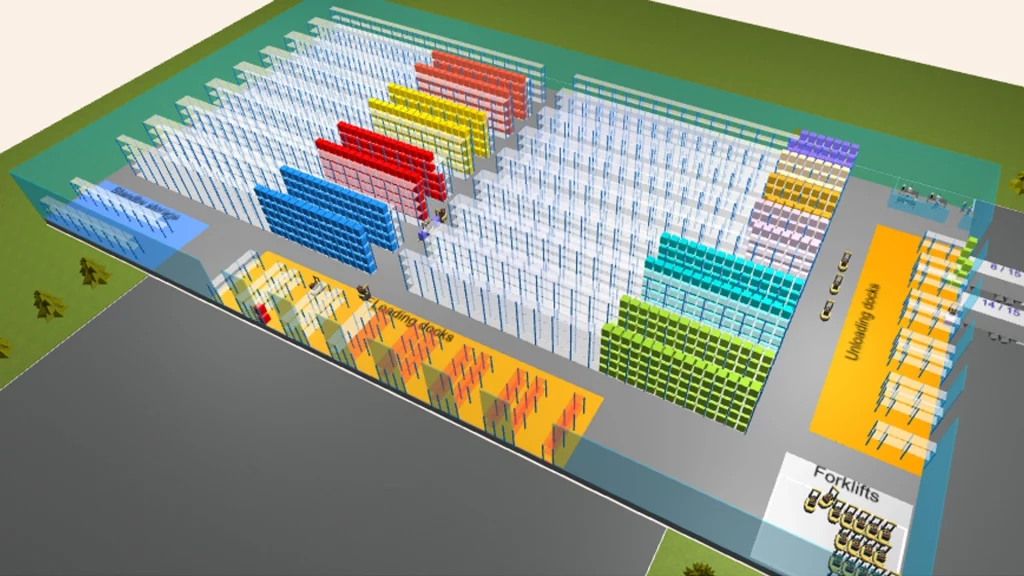
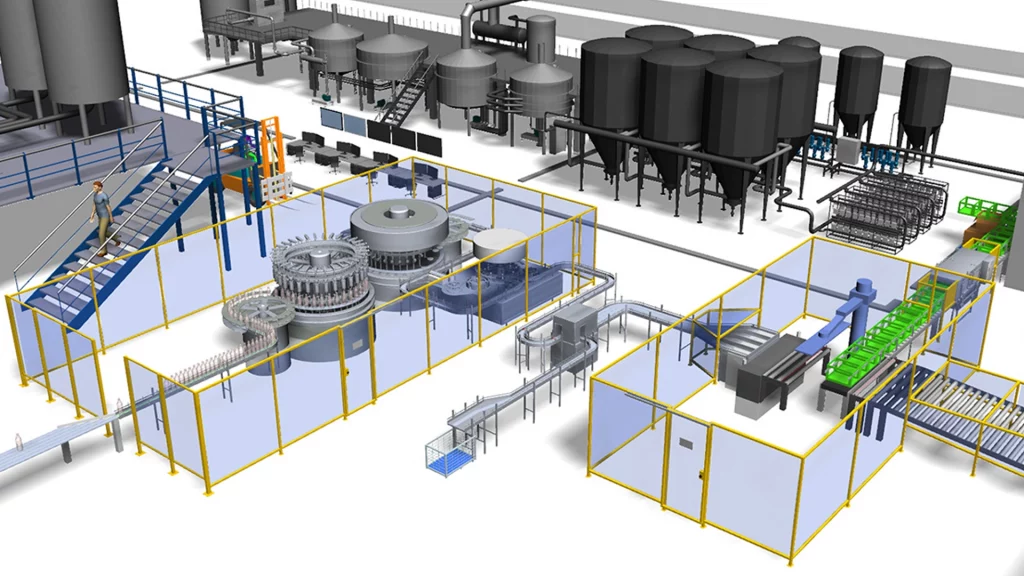
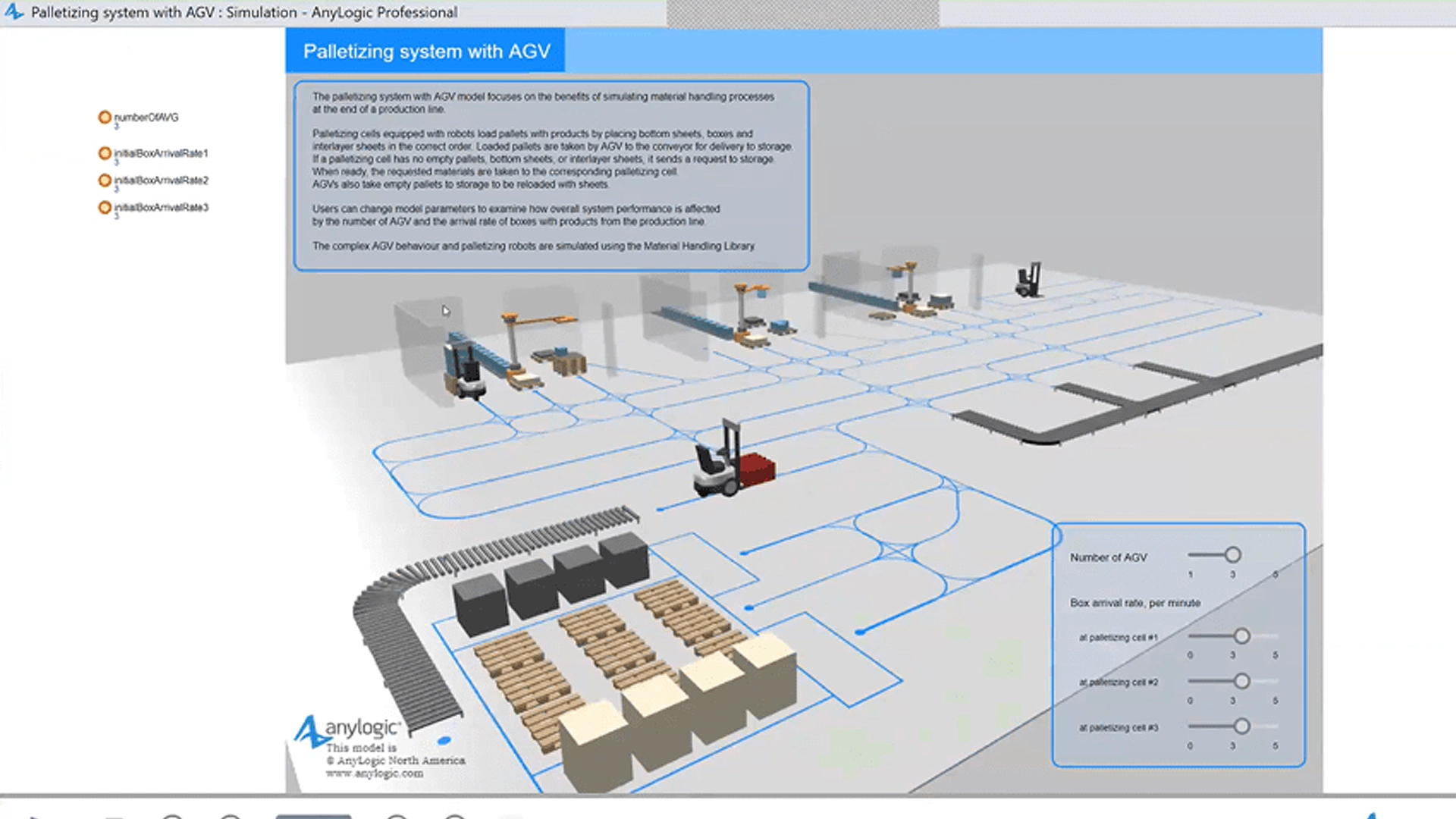
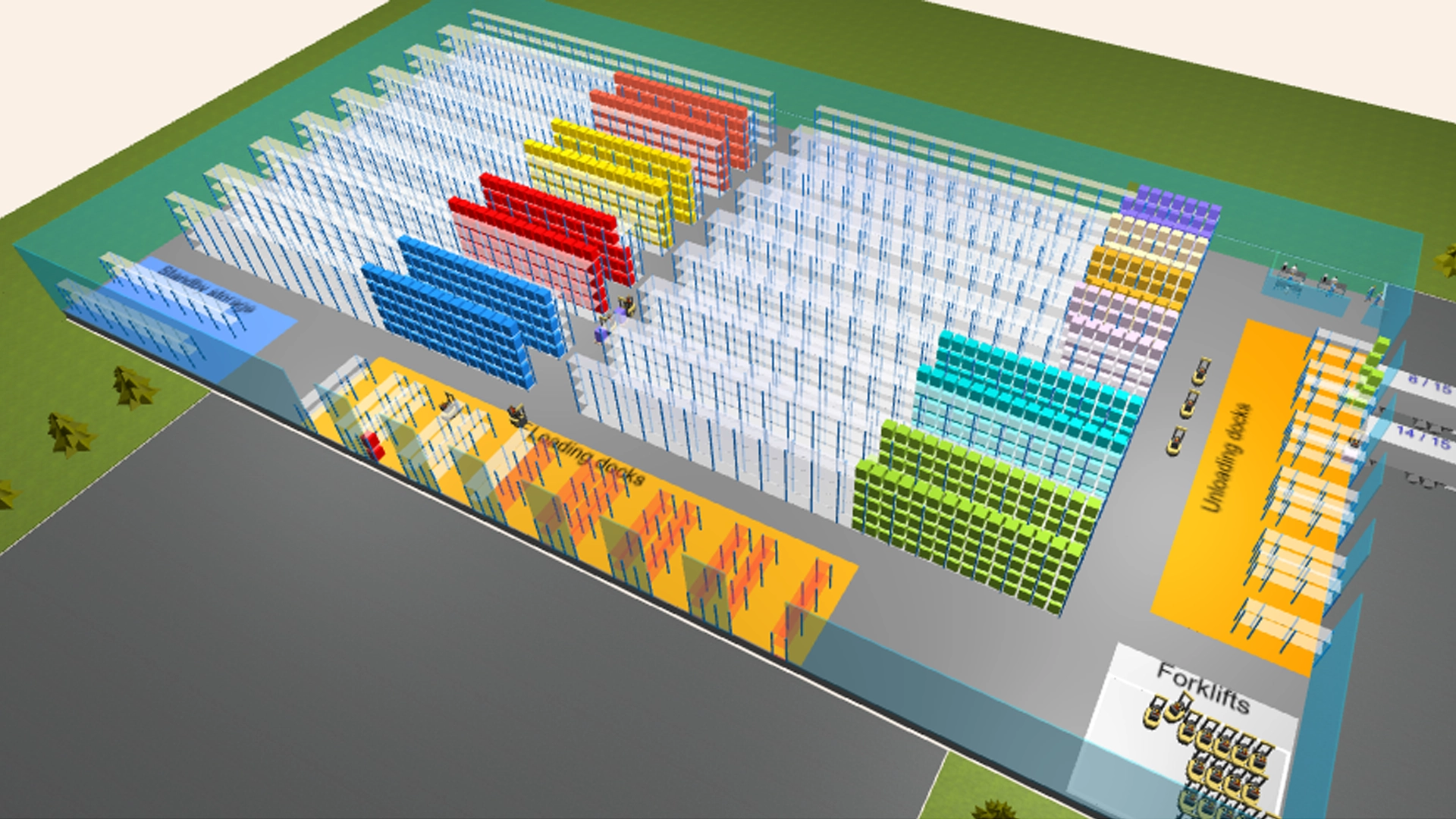
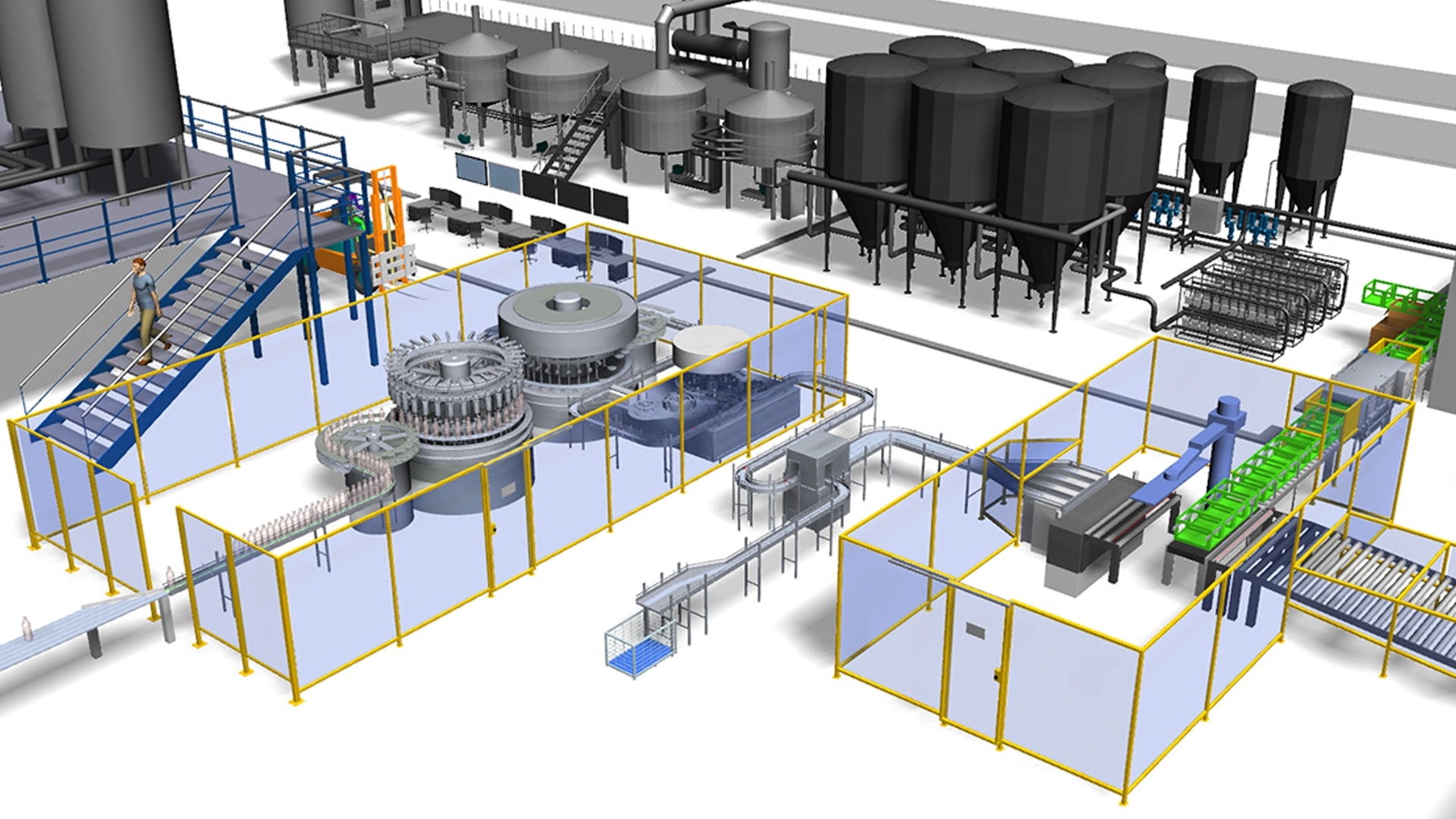
Simulations are widely used across various industrial sectors. In the context of logistics and industrial systems:
Manufacturing Engineering
Logistics and Supply Chain

Common Tools for Industrial Simulations
There are different platforms and tools for mathematical simulation; at WStudio, we focus on MATLAB/Simulink:
MATLAB and SIMULINK:
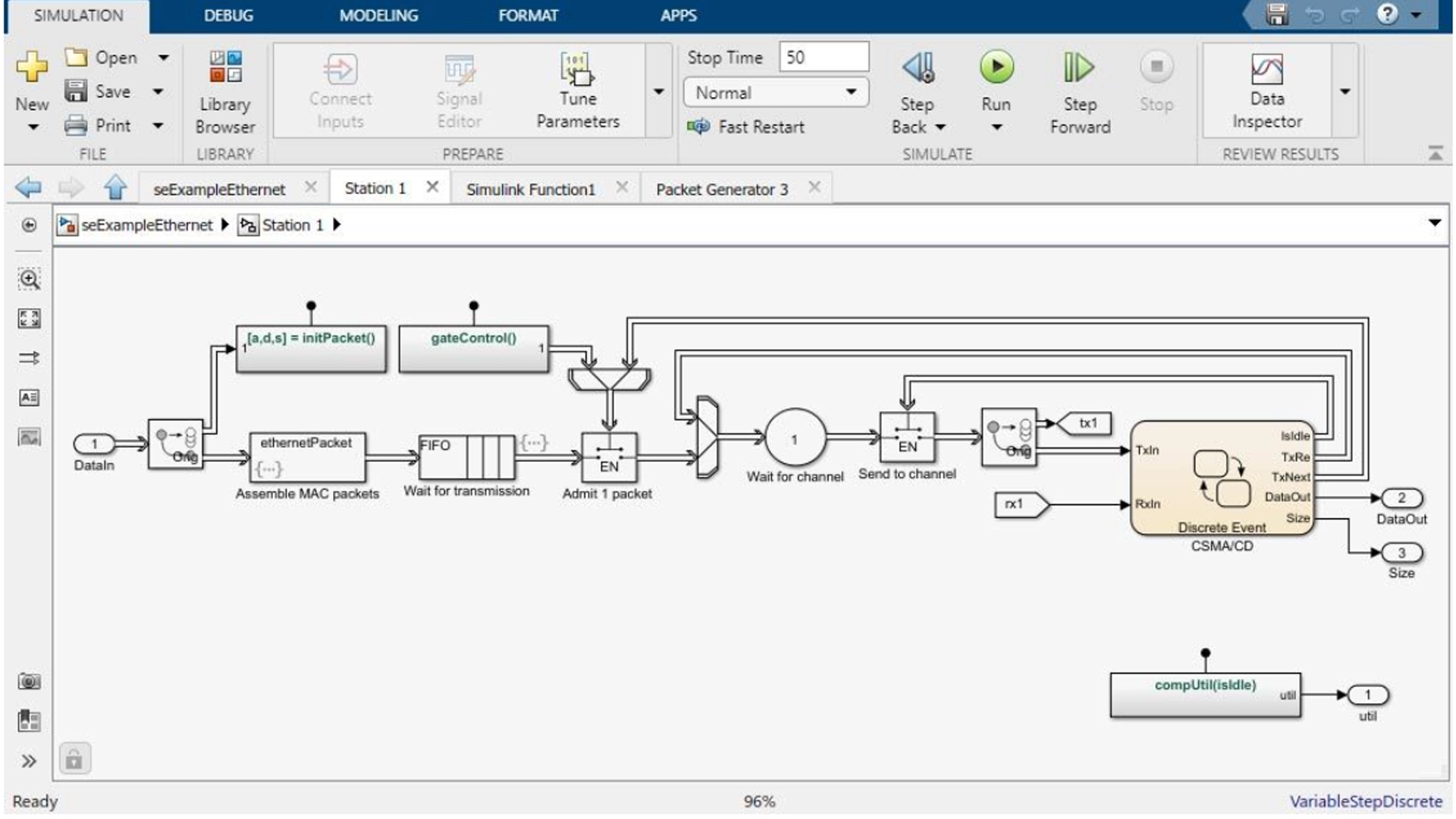
They are a graphical development and simulation environment used for data processing and analysis, application development, and report generation across all engineering fields.
MATLAB:
A high-level language and interactive environment for numerical computation, visualization, and programming. With MATLAB, it is possible to analyze data, develop algorithms, and create models or applications. The language, tools, and built-in mathematical functions make it possible to explore different approaches and reach a solution faster than with other traditional programming languages.
SIMULINK:
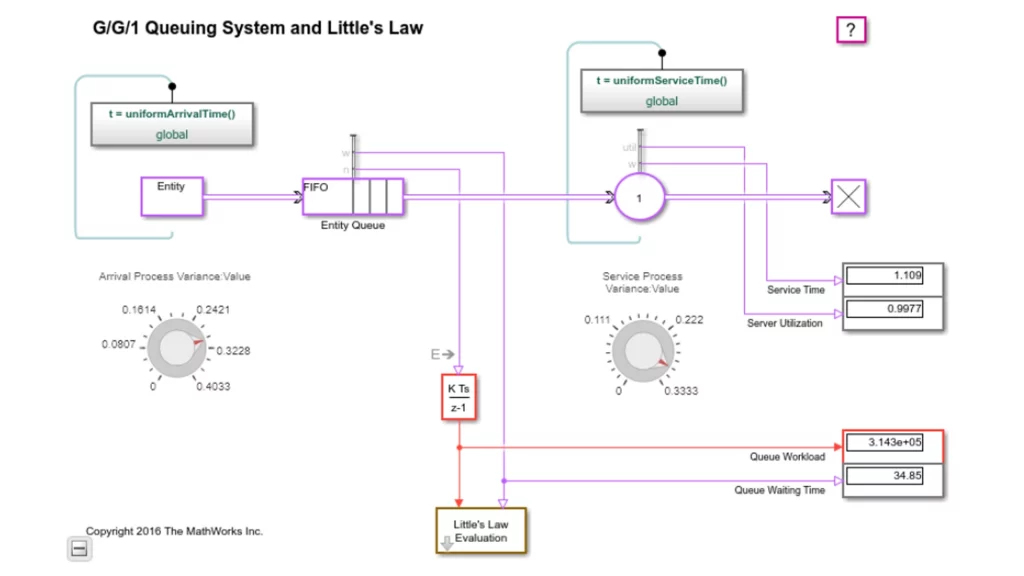
A block-diagram environment for multidomain simulation and model-based design. It supports system-level design and simulation, automatic code generation, and continuous testing and verification of embedded systems. Simulink provides a graphical editor, customizable block libraries, and solvers to model and simulate dynamic systems.
Future of Simulations in Industry
With advances in artificial intelligence, machine learning, and big data, mathematical simulations are evolving toward models that are more accurate, faster, and more accessible. Integrating these tools with IoT sensors and digital twin systems enables real-time monitoring and continuous improvement of industrial processes. These trends ensure that simulations will remain a vital component of industry’s digital transformation.