


In today’s world, logistics companies face an increasingly complex environment, full of changing variables, intense competition, and the constant need to optimize processes. Efficiency and adaptability have become the pillars of success in this sector. This is where simulation algorithms play an essential role. These tools make it possible to model, analyze, and predict real-world situations in a virtual environment, helping companies make strategic decisions with greater accuracy and lower risk.
Analysis
WAREHOUSE STUDIO
Simulation Algorithms in Modern Logistics
Simulation algorithms play an essential role
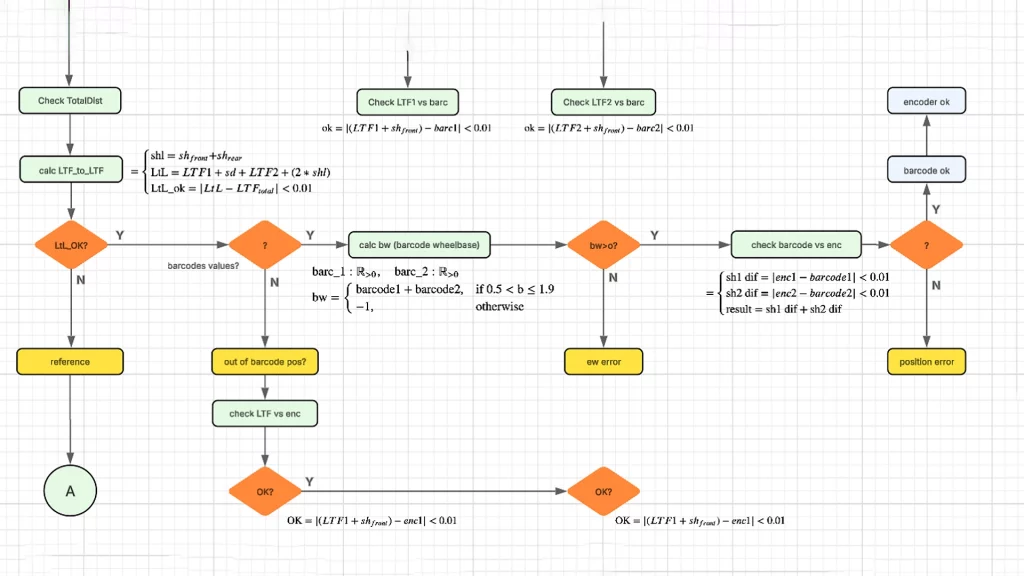
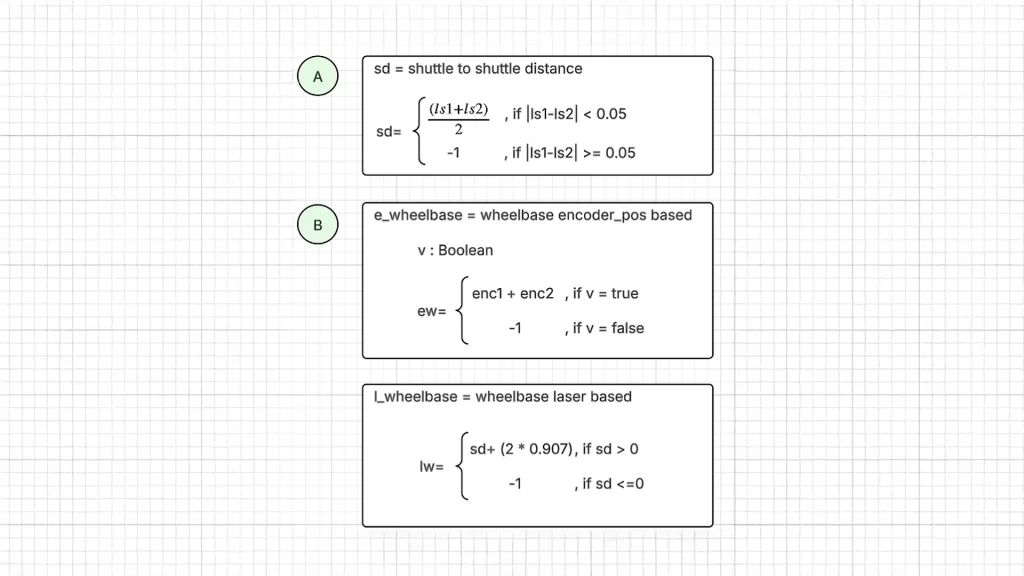
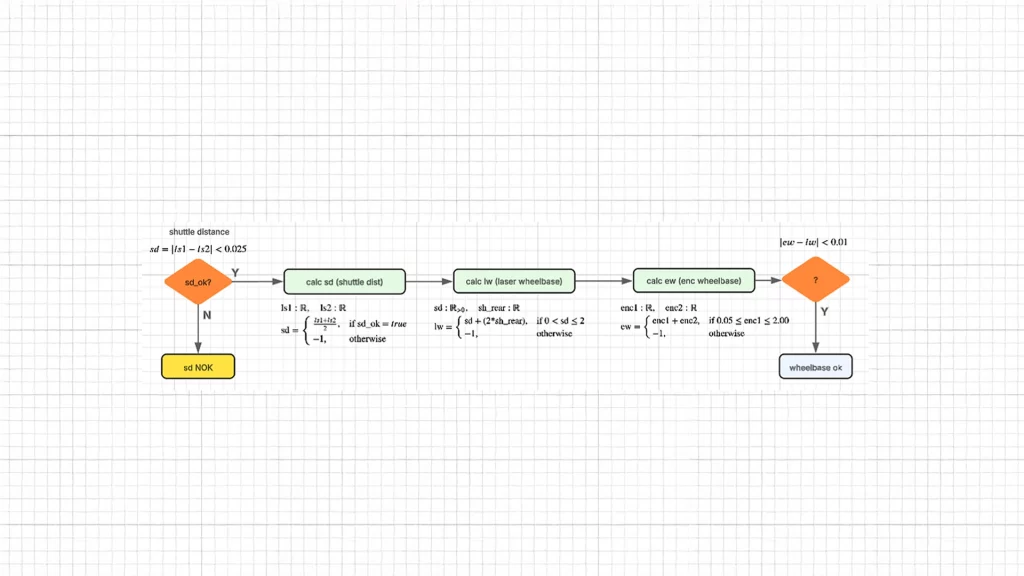
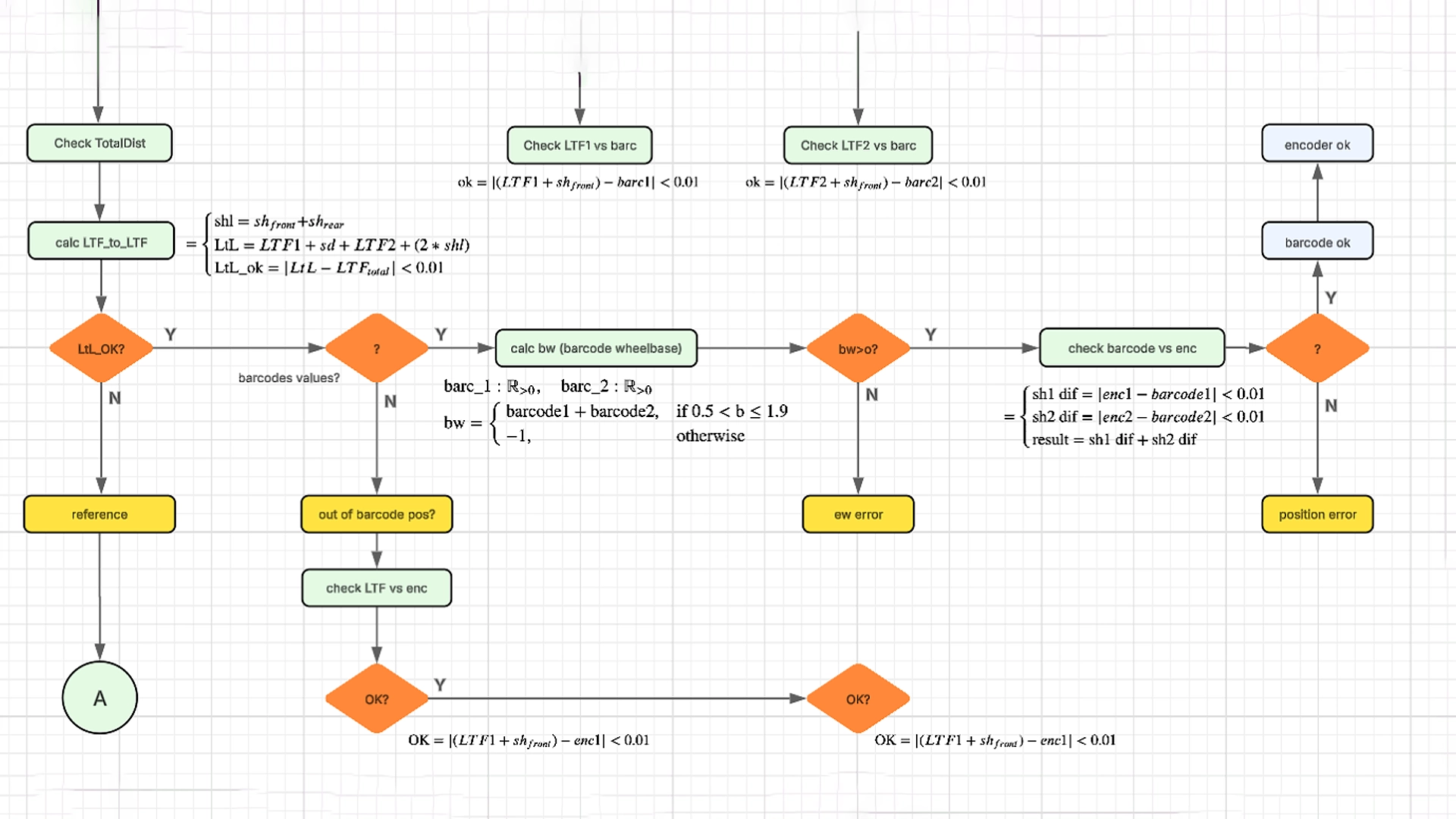
At WStudio, we develop algorithms to analyze, interpret, and improve our clients’ automated systems. With the help of programming and numerical computing platforms, we can analyze and provide answers to our clients’ problems and solutions.

A Realistic View in a Controlled Environment
Simulation algorithms provide a clear and accurate view of logistics operations, enabling companies to test different scenarios in a controlled environment before implementing them in the real world. Imagine, for example, a warehouse preparing for the peak sales season. How could it optimize its workflow, minimize waiting times, and reduce costs? A simulation algorithm can model all these variables, offering a realistic representation of the warehouse and allowing experimentation with various configurations—from product placement to picking routes.
Instead of investing time and resources in changes that may not be effective, simulation allows you to see results in advance, identifying the best strategy to achieve efficiency goals. This ability to predict and correct potential issues saves money and time, significantly reducing the risks associated with decision-making.
Anticipating the Unpredictable: Managing Uncertainty
In logistics, uncertainty is constant. From fluctuations in demand and transportation issues to sudden changes in the supply chain, risk is always present. This is where simulation algorithms become indispensable. For example, Monte Carlo simulation makes it possible to analyze how variations in demand can affect inventory levels and customer service. By running thousands of simulations that consider different possible scenarios, companies can prepare for unexpected fluctuations, planning contingency strategies and avoiding financial losses.
Optimization and Continuous Improvement:
Simulation is not only about anticipating problems; it is also a powerful tool for ongoing optimization. A process that may seem efficient today could be obsolete tomorrow due to changes in technology, market needs, or customer expectations. With simulation algorithms, companies can test new strategies—such as modifying transport routes, switching suppliers, or redesigning a warehouse layout—to find more effective ways to operate.
This constant optimization translates into faster service, lower costs, and higher customer satisfaction. In addition, by improving efficiency, logistics companies can contribute to sustainability by optimizing resource use and reducing environmental impact—for example, by minimizing transport routes and CO2 emissions.
Data for Informed Decision-Making:
Decision-making in logistics can no longer be based solely on intuition or past experience. In such a dynamic environment, data is the most valuable asset. Simulation algorithms generate large amounts of data that help assess the impact of different strategies before putting them into practice. This database enables logistics managers to make better-informed decisions, backed by rigorous testing and analysis.
By presenting clear, measurable results, simulation removes uncertainty from decision-making and justifies investments in operational changes. Why invest in a new vehicle fleet or in a warehouse management software solution? Simulation can show, with concrete figures, how these investments will improve efficiency and performance, providing the support needed to act.
A Competitive Advantage in a Demanding Market:
Logistics is a sector where time is a constant variable and every mistake can carry significant costs. Companies that implement simulation algorithms gain the advantage of anticipating problems, optimizing operations, and adapting quickly to market changes. This results in greater responsiveness, lower costs, and a superior customer experience—giving them a crucial competitive edge in an increasingly demanding market.
In short, simulation algorithms are more than a technological tool; they are a strategic ally for logistics companies that want to stay ahead. By enabling experimentation and process optimization in a virtual environment, these tools not only minimize risks and costs, but also foster innovation and continuous improvement. In a world where change is the only constant, simulation becomes the key to successfully navigating the challenges of modern logistics.
Adopting simulation is not an option; it is a necessity for those seeking to thrive in today’s competitive logistics environment.